

What Every Bystander Should Know About the Good Samaritan Law in Florida
Florida’s Good Samaritan Act gives you real protection if you stop to help at a crash — but it is not a blank check. The statute, Section 768.13, Florida Statutes, shields a person who gratuitously renders emergency care in good faith from civil liability for ordinary mistakes, so long as the conduct does not rise to reckless disregard for the injured person’s safety. Two words decide most Good Samaritan cases: gratuitously and recklessly. If you charged for the help, the shield is gone. If you acted recklessly, the shield is gone. If you were the one who caused the crash in the first place, you never had it.
After more than thirty years of personal injury practice in Lee and Collier Counties, I can tell you that this statute is one of the most misunderstood on the Florida books. Some people think it gives them blanket immunity for anything they do in an emergency. Others think it does not protect them at all. Both are wrong, and both can lead to bad decisions in the seconds that matter. So let me lay out what the law actually says, the patterns we see in our office, and what to do if you find yourself standing at the edge of a crash trying to decide whether to step in.
What Florida law actually says about Good Samaritan protection
The core statute is Section 768.13, Florida Statutes, the Good Samaritan Act. In plain English, the statute says that if you stop and gratuitously render emergency care or treatment to someone who has been injured — at the scene of a wreck, at the side of a road, at a pool, in a parking lot — and you act as an ordinary reasonably prudent person would have acted under the same circumstances, you are immune from civil liability for the things you do or fail to do. The key words are gratuitously, good faith, and reasonably prudent. If you bill for the help, you lose the shield. If you act with reckless disregard for the person’s safety, you lose the shield. If you are the one who caused the harm in the first place, you never had the shield.
The statute carves out additional protection for licensed health care providers who are off duty. A nurse who stops at a crash on Tamiami Trail, a physician who runs a code on a Southwest Airlines flight, a paramedic who responds during a fishing trip — all of them are treated as volunteers under 768.13 and shielded the same way, so long as the care is given in good faith and without a fee.
Two other Florida statutes belong in the same mental folder, because people confuse them with Good Samaritan rules:
- Section 316.066, Florida Statutes — Florida’s crash report statute. If you are a driver involved in a crash that results in injury, death, or significant property damage, you have a duty to report it. That is a separate obligation. A bystander who simply pulls over has no such duty.
- Section 768.81, Florida Statutes — modified comparative negligence. Since the 2023 tort reform, a plaintiff who is more than fifty percent at fault for their own injury cannot recover damages at all in most negligence cases. That rule matters because it can affect a rescuer who is later injured during the rescue. We will come back to this in the rescuer section.
One more piece of timing law that often catches people off guard: under Section 95.11(4)(a), Florida Statutes, the statute of limitations for most negligence claims in Florida is now two years from the date of the incident, not the four years that used to apply. A rescuer who is hurt while helping has a much shorter clock than people realize.
The five Good Samaritan patterns we see in our office
Almost every Good Samaritan question that walks into our office in Bonita Springs falls into one of five patterns. Knowing the patterns helps you understand where the shield is strong and where it gets thin.
- The freeway crash. A driver pulls over on I-75 to help a family in a rolled SUV. They unbuckle a child, hand off a bottle of water, hold pressure on a cut. They are on solid Good Samaritan footing.
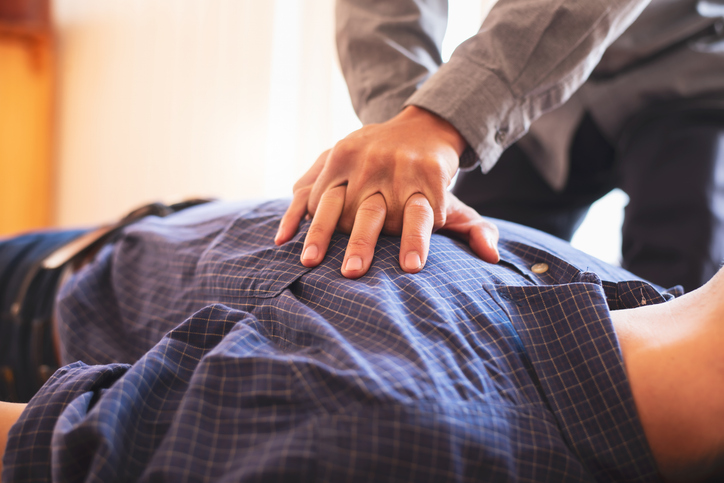
- The cardiac event in public. Someone collapses at a Publix or on a sidewalk in downtown Fort Myers. A nearby person starts CPR or grabs an AED. Section 768.1325 (the AED statute) and 768.13 together give very strong protection here.
- The drowning at a pool or canal. A neighbor pulls a child from a screened pool in Naples. Section 768.13 applies. The rescue doctrine, which I will come back to, can also matter if the rescuer is hurt.
- The off-duty medical professional. A nurse stops on the shoulder of US-41 to help with a motorcyclist down. The statute treats her as a volunteer and shields her so long as she does not bill, does not act recklessly, and does not knowingly exceed her training.
- The well-meaning bystander who makes things worse. This is the call we field most often — the person who moved an injured rider before EMS arrived, or who tried to extricate a driver from a car that was not on fire. The shield still applies if the conduct was reasonable in the moment, but the question of reasonableness is where most of these cases turn.
Where Good Samaritan cases get more complicated than people expect
The statute reads as if the law gives a clean, bright-line answer. In practice, three complications make these cases more difficult than the text suggests.
Reasonableness is judged after the fact. The statute protects conduct that an ordinary reasonably prudent person would have engaged in. A jury, looking back from the cool air of a courtroom, decides what reasonable looked like. We have seen carriers try to argue that pulling a rider off the road was reckless because the rider had a possible spinal injury. We have also seen carriers argue that not pulling a driver out was reckless because the car was leaking fuel. The same person, the same wreck, two opposite arguments. The good news is that Florida courts are reluctant to second-guess a Good Samaritan acting in real time. The bad news is that you can still get dragged into the lawsuit before the shield kicks in.
Gross negligence is the gap in the shield. Section 768.13 does not cover reckless disregard for the safety of the injured person. The line between ordinary mistakes and reckless conduct is fact-specific. Trying CPR on someone who is breathing is a mistake. Driving an injured person to the hospital in a personal vehicle while drunk is something else.
Insurance companies do not always play along. Even when the statute clearly applies, an insurer for the at-fault party may try to chase a bystander as a way of muddying liability. We pulled the nurse out of the case in short order, but only after she had been put through a recorded statement she should never have given. That is why our standing advice to anyone who renders aid is simple: write down what you saw, give a statement to law enforcement, and decline a recorded interview with the at-fault carrier without talking to a lawyer first.
What to do if you stop to help
After thirty years of these calls, here is the action list I actually give people. It is short on purpose.
- Call 911 first, before you touch anyone. The dispatcher is trained to walk you through what to do and not do, and the call timestamp becomes a permanent record of when you stepped in.
- Do not move an injured person unless there is an immediate threat. Fire, smoke, traffic about to strike again, water — those are reasons to move. A back injury is not. I have seen rescuers do real harm by moving riders off the shoulder of I-75 when a flare and a phone call would have done the job.
- If you have first-aid training, stay within it. Holding pressure on a bleed, starting CPR, using an AED — those are within almost anyone’s training. Attempting field surgery is not.
- Get the names of every other person who stopped. The other witnesses are the people who will corroborate that you acted reasonably. Other rescuers move on quickly, and once they are gone they are gone.
- Write it down the same day. Open the notes app on your phone before you go to bed and dictate what you saw, what you did, what time it was, what the weather was, who else stopped. I have used this approach with witnesses for decades and noticed that the contemporaneous note is almost always the document that wins the day if a question comes up later.
- Talk to the responding officer; do not talk to the at-fault driver’s insurer. Your statement to law enforcement is part of the record. A recorded statement to an out-of-state adjuster from the at-fault driver’s carrier is a trap. If they call you, take their name and number, and tell them you will follow up in writing.
- If you were hurt while helping, get checked the same day. Florida’s Personal Injury Protection statute, Section 627.736, requires you to seek medical care within fourteen days of a motor-vehicle crash to keep your PIP benefits alive. The fourteen-day rule has cost more people their no-fault benefits than any other rule on the books.
If you were the rescuer and you got hurt
The rescue doctrine is the part of this body of law that almost no one knows about. Florida courts have long held that danger invites rescue — that when a defendant’s negligence creates an emergency, the rescuer who runs into that emergency is not treated as having voluntarily assumed the risk. If a drunk driver puts a family in a ditch on Daniels Parkway and you tear a shoulder pulling the children out, you can pursue the drunk driver and his insurance for your medical bills, your lost wages, and your pain and suffering.
Two practical points. First, the comparative-fault rule in Section 768.81 still applies. A jury can assign you a percentage of fault for your own injury if your conduct was unreasonable, and if your share lands above fifty percent you recover nothing. Second, your own auto policy’s Uninsured Motorist coverage under Section 627.727 can be triggered if the at-fault driver was uninsured or under-insured, even though you were on foot when you were hurt. UM is the most under-purchased coverage in Florida, and the one most likely to save a rescuer.
Key Takeaways
- Section 768.13 protects a Good Samaritan acting in good faith and without charging a fee, so long as conduct does not rise to reckless disregard for the injured person’s safety.
- A bystander has no general duty in Florida to render aid; the protection of 768.13 kicks in only when the bystander chooses to help.
- Off-duty doctors, nurses, and paramedics get broader protection under 768.13 when they volunteer without billing.
- Under the rescue doctrine, a rescuer who is injured can pursue the party whose negligence created the emergency, subject to Florida’s modified comparative negligence rule in 768.81 and the two-year limitations period in 95.11(4)(a).
- Write down what you saw the same day, give a statement to law enforcement, and decline a recorded statement to the at-fault carrier until you speak with a lawyer.
Frequently Asked Questions
If I stop and help at a crash on I-75, can I be sued for making the injury worse?
Section 768.13 shields a bystander who acts in good faith from civil liability for ordinary mistakes made during emergency aid, as long as you do not act with reckless disregard for the injured person’s safety. If you pulled a person from a burning car and they later suffered a back injury, the statute is designed to keep you out of court. The shield does not cover gross negligence, and it does not apply if you were the one who caused the crash.
Do I have a legal duty in Florida to stop and render aid?
Generally no. Florida does not impose a duty on a random bystander to render aid. Drivers involved in a crash do have a duty under Section 316.062 to stop and render reasonable assistance, and Section 316.066 requires a crash report under certain conditions. But if you are simply driving past a wreck on US-41, the law does not require you to pull over. The Good Samaritan Act protects the person who chooses to help.
I am an off-duty nurse. Am I protected the same as a regular bystander?
Section 768.13 gives broader protection to licensed medical providers acting in good faith and without charging a fee. An off-duty nurse, paramedic, or physician who stops at a roadside emergency is treated as a volunteer and is protected so long as the care is not given with reckless disregard for the patient’s safety. Bill for the visit later and the immunity falls apart.
I helped at a crash on Tamiami Trail and now the insurer wants a statement. Do I have to give one?
You are not required to give a recorded statement to an insurer that does not insure you. If the police want a witness account, give them the facts as you remember them. If an adjuster for the at-fault driver calls you, you can politely decline and ask them to put any questions in writing. Before you talk to anyone, write down what you saw while it is fresh.
If I get hurt while helping someone else, can I recover for my own injuries?
Yes, and that surprises a lot of people. Under the rescue doctrine in Florida, a bystander who is injured while making a reasonable rescue attempt can pursue the party whose negligence created the emergency. If a drunk driver caused the wreck and you tore a rotator cuff pulling someone from the wreckage, the drunk driver and their insurer can be held responsible for your medical bills and lost income.
Talk to our firm before you talk to anyone else
If you stopped to help at a crash anywhere in Lee or Collier County and now find yourself dealing with adjusters, recorded-statement requests, or your own injuries from the rescue attempt, call our office before you sign or say anything. Our number is 239-992-8259. The consultation is free, and there is no fee unless we recover for you. We answer the phone in Bonita Springs and we work cases from the I-75 corridor through Fort Myers, Naples, Estero, Cape Coral, and Lehigh Acres.
About the Author
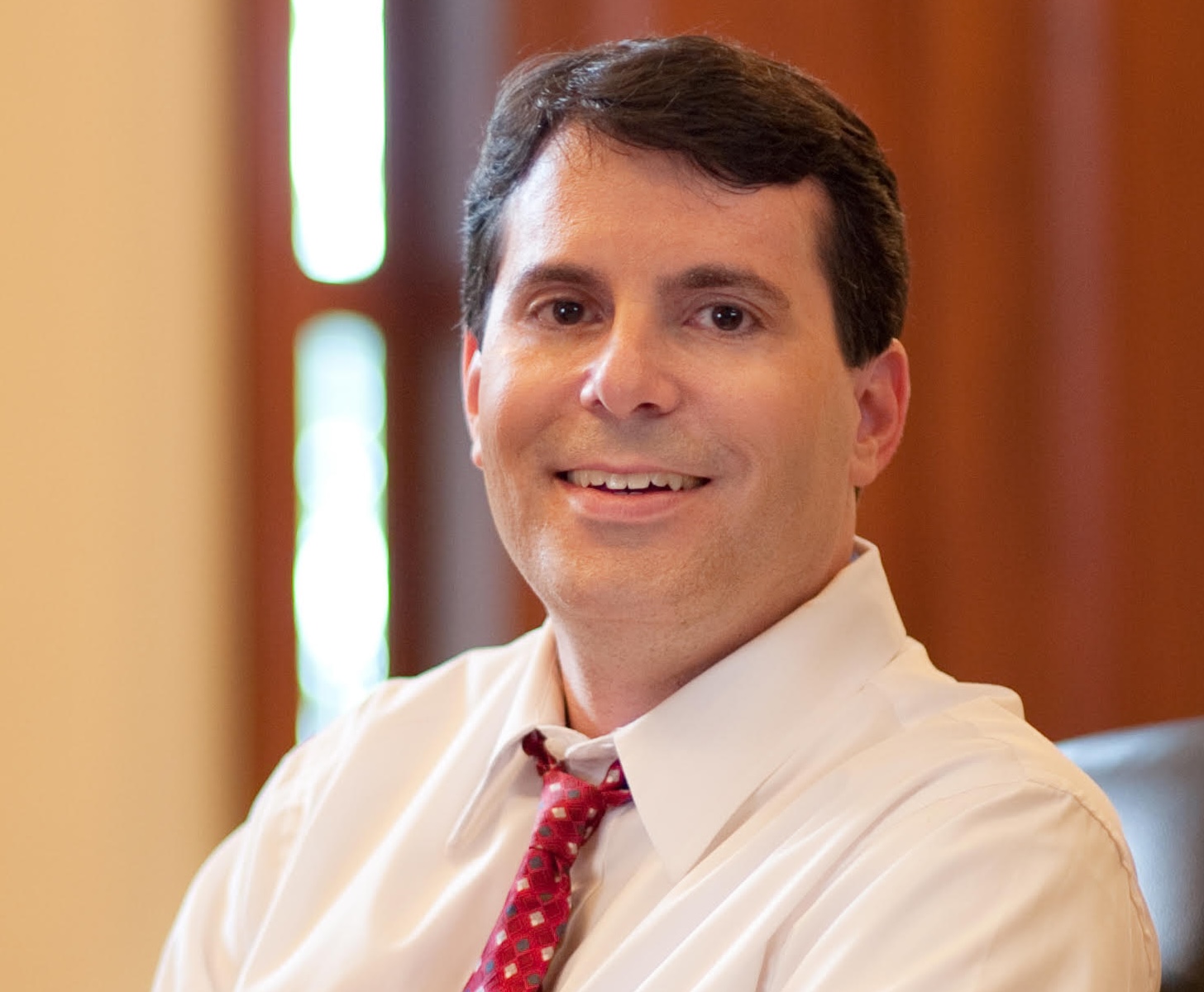
Personal injury is the focus of David B. Pittman, Esq.’s practice across Southwest Florida, and has been since he founded Pittman Law Firm, P.L. more than three decades ago. The firm represents injured clients across Lee and Collier Counties — from the firm’s main office at Windsor Place on Bonita Beach Road through Fort Myers, Naples, Estero, Cape Coral, and Lehigh Acres, with a particular focus on commercial-vehicle, complex-liability, and serious-injury cases.
David did his undergraduate work at The Citadel, The Military College of South Carolina, and earned his JD at the University of South Carolina School of Law. He has been recognized as AV-Preeminent by Martindale-Hubbell and is a member of the Multi-Million Dollar Advocates Forum. His thirty-plus years of practice have been spent almost entirely on personal injury work in Southwest Florida.
David has held a Florida real estate broker license for twenty-five years, a credential that shapes how the firm reads the property side of premises cases. The firm handles personal injury cases across Lee and Collier Counties, serving Fort Myers, Bonita Springs, Naples, Cape Coral, Estero, and Lehigh Acres, with offices at Windsor Place in Bonita Springs (main) and Fort Myers (satellite). Call 239-992-8259 for a free consultation.
Disclaimer: This article is for general information about Florida law and does not constitute legal advice or create an attorney-client relationship. Outcomes in personal injury matters depend on the facts and applicable law. The hiring of a lawyer is an important decision that should not be based solely upon advertisements. Before you decide, ask us to send you free written information about our qualifications and experience.