

Protecting Injury Victims After Serious Falls in Bonita Springs
A single unexpected slip or trip can change your life in a fraction of a second. Whether you are a full-time resident of Southwest Florida, a seasonal “snowbird” enjoying the winter months, or a visitor exploring our beautiful coastline, a serious fall can result in overwhelming medical bills, forced time off work, and severe physical pain.
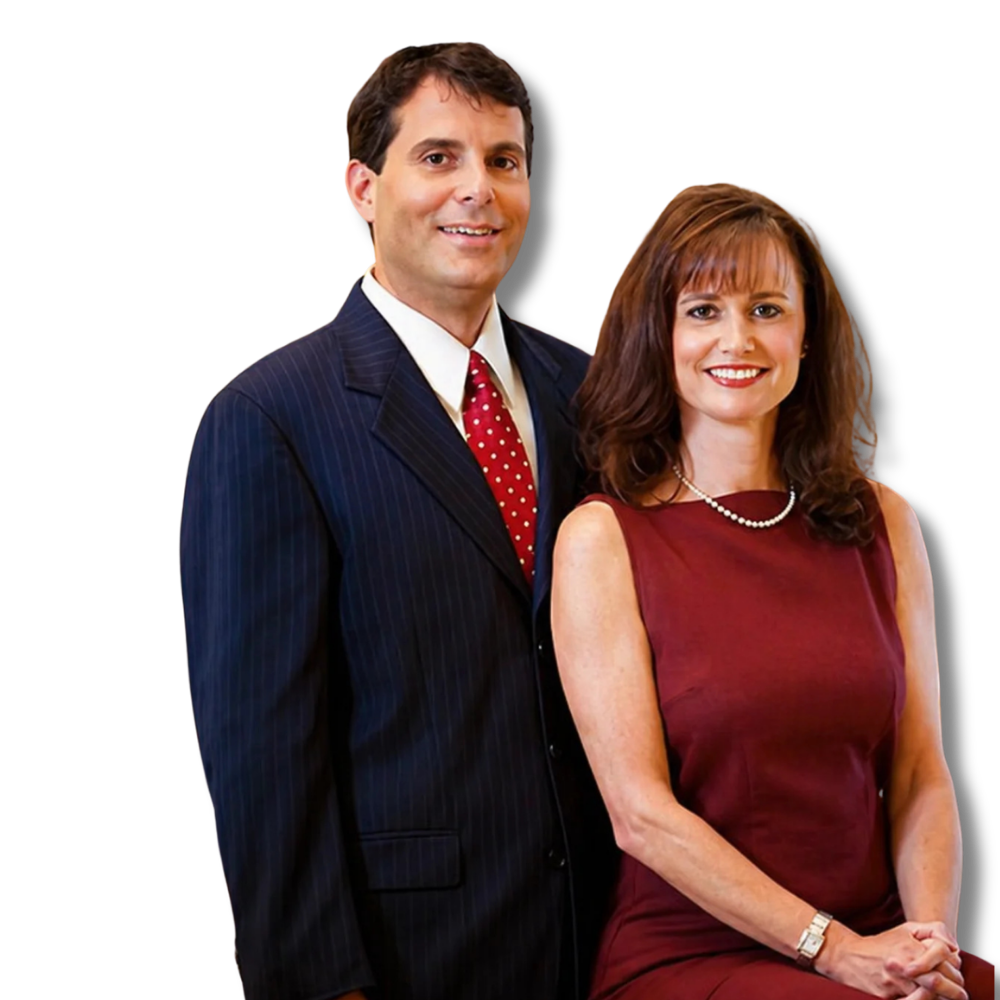
When property owners or business managers fail to keep their floors and walkways safe, Florida law gives victims the right to hold them financially accountable. At Pittman Law Firm, P.L., we provide localized, compassionate, and straightforward legal representation for fall victims. Led by founding attorney David B. Pittman—who brings over 30 years of personal injury experience and deep roots in the Southwest Florida community—our firm operates under a singular guiding philosophy: “We Put A Face To Every Case.” Additionally, our personal injury supervisor, Kristin Pittman, is a licensed Florida All Lines Insurance Adjuster. This gives our team an insider’s understanding of the exact tactics insurance corporations use to minimize or deny injury claims. If you or a loved one has suffered a severe injury because someone else failed to maintain a safe walking surface, a dedicated Bonita Springs slip and fall lawyer from our team is ready to fight for you.
Quick Guide: Florida Slip and Fall & Trip and Fall Claims
If you have been injured due to a hazardous walking condition, understanding your basic legal rights is the first step toward recovery. Here is a clear, simple breakdown of how the law handles these cases:
| Legal Component | What It Means For You |
|---|---|
| The Deadline to File | You have exactly 2 Years from the exact date of your fall to file a formal lawsuit. If you miss this deadline, you lose your right to recover money forever. |
| Proving the Business is at Fault | Under the rules for business slips, you must show that the establishment knew about the danger—or should have known about it—and failed to clean it up or fix it. |
| The 51% Fault Rule | Florida uses a modified fault system. You can only recover money if you are found to be 50% or less at fault for your own fall. |
| What It Costs to Hire Us | We work on a contingency fee basis. You pay absolutely nothing upfront, and our firm only receives a fee if we successfully win money for you. |

Bonita Springs Personal Injury Lawyers Reviews
“I’ll be sure to recommend you to anyone in need of an outstanding accident attorney.”
"I just wanted to take a moment to sincerely thank you for all the hard work and dedication you put into my case. Your professionalism, persistence, and clear communication made a stressful situation much easier to handle. I truly appreciate the way you guided me through every step and fought to reach a fair settlement. It was a pleasure working with someone so committed and knowledgeable. I’ll be sure to recommend you to anyone in need of an outstanding accident attorney."
- ARCADIA A.
“They treated us with care & like family.”
- MANNY S.
“Kristin Pittman was the best thing that could have happened to us after our accident.”
- DIRK F.
How Slips, Trips, and Falls Happen in Real Life
While everyday language often lumps them together, “slip and falls” and “trip and falls” are actually two completely different types of accidents. Insurance companies look at them differently because the mechanics of how you fall—and what caused the fall—are entirely distinct.
Common Slip and Fall Scenarios
Slips occur when there is not enough traction or friction between your shoes and the floor. This typically causes your feet to slide out from underneath you, sending you falling violently backward or sideways. Common examples include:
- Spills in Store Aisles: Liquid substances like cooking oil, juice, or cleaning products leaking onto polished grocery store floors without any warning signs or quick cleanups.
- Dropped Produce Items: Crushed grapes, loose lettuce leaves, or pooled water from automated vegetable-misting systems that make hard supermarket floors incredibly slick.
- Tracked-In Rainwater: Puddles that build up inside store lobbies and restaurant entryways during sudden Florida downpours when a business forgets to put down heavy-duty floor mats.
- Kitchen Grease on Dining Floors: Cooking oils or grease tracked out of a restaurant kitchen by employees, creating invisible, slick hazard zones for dining patrons.
- Leaky Air Conditioners: Water dripping from clogged or poorly maintained AC units directly onto concrete walkways, turning a regular path into a slipping hazard.
- Algae Growth on Patios and Pool Decks: Slimy green algae that builds up on outdoor walkways, community sidewalks, or resort pool decks when property managers fail to regularly pressure-wash the area.
Common Trip and Fall Scenarios
Trips happen when your foot strikes an unexpected object or an uneven surface, abruptly stopping your forward momentum. This forces your upper body forward, causing a front-facing fall where victims often hit their face or hurt their arms trying to catch themselves. Common examples include:
- Sidewalks Lifted by Tree Roots: Concrete slabs on public sidewalks or in parking lots that have been pushed up by powerful palm tree roots, creating a dangerous hidden ridge.
- Loose or Warped Floor Mats: Welcome mats, decorative rugs, or commercial floor mats that lack a non-slip rubber backing or have curled, bunched-up edges that catch your shoe.
- Boxes and Pallets Left in Aisles: Cardboard boxes, plastic packing materials, or low wooden pallets left sitting on the floor in the middle of a crowded shopping aisle during restocking shifts.
- Potholes and Broken Car Stops: Deep potholes, crumbling asphalt, or cracked concrete parking bumpers located in poorly lit parking lots or parking garages at night.
- Stray Landscaping Borders: Plastic, metal, or wood landscape edging that has broken loose and spilled over onto a designated walking path.
- Exposed Cords and Cables: Extension cords or utility lines run across a walkway without a rubber safety cover or secure tape to hold them down flat.
- Uneven Door Thresholds: Raised metal tracks or uneven transitions between a restaurant’s indoor dining room and an outdoor patio that catch customers off guard.
High-Risk Locations for Falls in Bonita Springs
As a rapidly growing coastal hub, Bonita Springs has several specific environments where slip and trip hazards are common. Property owners, private corporations, and managers have a strict legal duty to keep these walking surfaces safe for everyone.
1. Office Buildings and Professional Business Parks
Many people think falls only happen in retail stores, but local offices and professional hubs are frequent sites of severe injuries. Common hazards include freshly mopped tile lobbies, untaped computer cables, or uneven walkways outside. Key professional locations in our area include:
- The Industrial and Office Hubs near Tamiami Trail: High-traffic corporate parks and office spaces where multi-story tile lobbies can become major slick zones when occupants track in heavy rain.
- Commercial Business Complexes along Bonita Beach Road: Multi-tenant professional plazas where employees and clients regularly travel across shared concrete walkways, outdoor stairs, and interior hallways.
- Corporate Professional Centers near Woods Edge Circle: Professional parks featuring heavy daily traffic where unanchored floor mats or neglected sidewalk cracks regularly put visitors at risk.
2. Medical Offices and Healthcare Complexes
Patients visiting healthcare centers are often already dealing with mobility limits or illnesses, making safe walking surfaces even more critical. Falls in these areas are frequently caused by spilled fluids, lack of proper handrails, or sudden changes in flooring types. High-volume locations include:
- Outpatient Centers and Freestanding Emergency Departments: The busy medical corridors located off Tamiami Trail, where large parking lots, drop-off lanes, and interior waiting rooms experience constant foot traffic.
- Physicians’ Groups and Clinics near Springs Plaza: The medical facilities near major intersections, where high-volume patient turnover increases the chances of unexpected floor hazards.
- Healthcare Campuses off Health Center Boulevard: Expansive multi-tenant medical buildings featuring wide tile corridors and pharmacy waiting zones.
3. Retail Outlets, Shopping Centers, and Grocery Stores
High-volume commercial spaces see endless foot traffic, which naturally increases the risk of dropped merchandise, liquid spills, and tracking hazards. Key retail zones include:
- Major supermarkets, grocery outlets, and big-box discount stores situated heavily along Tamiami Trail and Old 41 Road.
- The shared paths, upscale boutique corridors, and outdoor walkways at popular open-air shopping developments and premier retail plazas in the Pelican Landing area.
4. Local Restaurants, Dining Areas, and Nightlife Spots
Going out for a meal or drinks shouldn’t end in an injury, but local dining areas present an incredibly high risk for slips and trips due to spilled drinks, grease tracked out of kitchens, low lighting, or uneven steps. Major dining spaces in our community include:
- Heading down Bonita Beach Road toward the water: This is our busiest local stretch for hitting the craft breweries, casual seafood spots, and outdoor tiki bars on the way to Bonita Beach Park. Slips and falls happen here constantly when beachgoers track in slick sand and Gulf water, or when staff carry drinks out to wet outdoor patios and decks.
- The main highway stretch along US-41 (Tamiami Trail): This busy strip is packed with our town’s nicer fine-dining spots, date-night restaurants, and busy outdoor patio bars hidden inside the main plazas. Slips happen easily here when servers accidentally track kitchen grease onto polished dining room floors, and dim, romantic lighting can make it impossible to see a spilled drink or a small step down to an outdoor seating area.
- The historic downtown area on Old 41 Road: A highly walkable, lively area near the Imperial River, Riverside Park, and the Liles Hotel zone. With a heavy concentration of outdoor coffee bars, boutique bistros, and open-air lounges, the heavy weekend crowds mean a much higher chance of overlooked floor hazards, loose rugs, or uneven thresholds.
5. Gated Communities, Condominiums, and Residential HOAs
Common areas, community clubhouses, fitness centers, swimming pool decks, and neighborhood sidewalks within the local gated developments and residential neighborhoods of Bonita Springs where property managers fail to fix broken pavement, unglued carpets, or loose structural tiling.
6. Public Beaches, Boardwalks, and Recreational Parks
Uneven beach access boardwalks near local beachfront parks or hidden walkway hazards at regional nature preserves caused by structural neglect or heavy wear and tear from sand and coastal weather.
Understanding Florida’s Transitory Foreign Substance Law
If you slip and fall on a temporary hazard at a business establishment in Bonita Springs, your case is governed by a highly specific rule known as Florida Statute Section 768.0755, which regulates temporary or transient substances on commercial property.
A “transitory foreign substance” is the legal term for any temporary liquid or solid object that does not belong on the floor—such as a puddle of spilled milk, a stray piece of fruit, tracked-in rainwater, or a dropped cleaning chemical. Because these items are temporary, Florida Statute Section 768.0755 places a heavy burden of proof entirely on the injured person. Simply showing that you fell on a wet floor is not enough to win a case. To hold a business financially responsible for your medical bills and pain, you must prove that the establishment had “knowledge” of the dangerous substance before you fell. The law breaks this knowledge down into two distinct categories:
- Actual Knowledge: This means the business was directly aware of the specific hazard before your accident. For example, you can establish actual knowledge if a store employee caused the spill themselves, if another customer explicitly reported the spill to a manager, or if video footage shows an employee looking directly at the hazard and walking away without cleaning it up or placing a warning cone.
- Constructive Knowledge: Because businesses rarely admit they knew about a hazard, Florida Statute Section 768.0755 allows you to prove they should have known about it through circumstantial evidence. This can be accomplished in two ways:
• Time Duration: You can prove the substance was on the floor for so long that the business would have discovered and cleaned it up if they were exercising basic, ordinary care. For instance, if surveillance footage reveals a puddle sat in an aisle for over twenty minutes without a single employee inspecting the floor, or if the spilled substance is tracked with other shopping cart tracks, dried at the edges, or dirty, it proves the business dropped the ball on routine maintenance.
• Regularity and Foreseeability: You can prove the hazard happens so regularly that the business should always expect it and take proactive steps to prevent it. A classic example is a grocery store produce mister that constantly sprays water onto a slick tile floor or a restaurant entrance that floods every single time a typical afternoon thunderstorm rolls through Bonita Springs.
Critical Florida Fault Rules Involved in Your Fall Case
In addition to proving the business knew about a temporary substance under the law, you must also navigate strict rules regarding fault. Insurance adjusters will use these guidelines to try to minimize your payout or throw your claim out completely.
The 51% Fault Rule
The insurance company will aggressively look for any excuse to blame you for your own fall. They will look through surveillance video and grill you in statements to argue that you were distracted, looking at your cell phone, walking too fast, wearing improper footwear, or ignoring a visible warning sign.
- If an insurance adjuster or a jury decides you were more than 50% at fault for your own fall, you are legally prohibited from recovering any money at all from the business owner.
- If you are found to be 50% or less at fault, you can still recover compensation, but your final financial settlement will be reduced by your exact percentage of blame. Our team at Pittman Law Firm, P.L. knows how to counter these corporate tactics, compiling structural evidence to keep your blame at zero.
No Fees Unless We Win • Free Case Evaluation
Don’t Let Insurance Companies Undervalue Your Case
Insurance companies look for ways to reduce payouts. Pittman Law Firm stands up for you and fights to recover the full compensation you deserve.
Serious Injuries Caused by Slip, Trip, and Fall Accidents
A fall is not just an embarrassing moment—it can cause severe, long-term physical trauma. Our legal team works closely with trusted medical professionals to document the true impact of your injuries, including:
- Back Injuries: Falling flat or landing hard on your tailbone can severely damage your lower and mid-back. This intense impact regularly causes deep, painful muscle spasms, severe back strains, or compressed discs that make it incredibly painful to bend over, stand up straight, sit, or lift regular household items.
- Neck Injuries: The sudden, unexpected jerk of a slip or trip violently snaps your head forward, backward, or to the side. This whip-like movement often causes severe whiplash, strains the delicate muscles and ligaments in your neck, and damages the upper joints of your spine, making it highly painful to turn your head from side to side.
- Wrist and Arm Injuries: When you start to fall, your natural human instinct is to throw your hands out to protect yourself. This sudden force frequently leads to broken wrists, fractured forearms, dislocated elbows, and painful shoulder or rotator cuff tears that often require extensive surgery.
- Knee Injuries: Slamming your knees directly into hard tile, concrete, or asphalt can shatter your kneecap. The violent twisting motion of a slip or trip also regularly causes severe soft-tissue damage, such as a torn meniscus, ACL, or MCL, which can limit your ability to walk for months.
- Facial Injuries: During a sudden forward trip, victims often do not have enough time to get their hands up. Landing face-first can cause broken noses, eye socket fractures, severe facial cuts requiring stitches, and broken teeth or dental damage.
- Traumatic Brain Injuries & Concussions: Caused by your head striking the hard ground during a fall, leading to chronic headaches, dizziness, blurred vision, and memory issues.
- Spinal Cord Injuries & Herniated Discs: The jarring force of a fall can compress or permanently damage your spine, causing severe nerve pain, loss of feeling, numbness, and radiating pain down your legs.
- Hip Fractures: Slipping sideways or backward often forces the body to land directly on the hip joint. Hip breaks are incredibly serious injuries that almost always require emergency surgery and are particularly dangerous for senior residents in our community.
What to Do Immediately After a Fall in Bonita Springs
The steps you take right after a fall are crucial for protecting your health and building a strong foundation for a future injury claim.
- See a Doctor Right Away: Go to a local emergency room or urgent care center immediately. Some serious injuries, like internal bleeding, soft-tissue tears, or concussions, do not show symptoms right away. Having a medical record from the day of the fall directly links your injuries to the accident.
- Report the Fall to Management: Before you leave, notify the store manager, property owner, or landlord. Ask them to fill out an official incident report. Make sure to get a physical or digital copy of it, and do not sign anything that admits fault or downplaying your pain.
- Take Photos and Videos: If you are able, use your phone to take immediate pictures and videos of the exact hazard that caused you to fall (the puddle, the uneven concrete, the lack of lighting). Take close-ups of the danger and wide shots to show the surrounding area. Properties usually clean up or fix hazards immediately after an accident occurs.
- Get Witness Contact Info: If anyone saw you fall or noticed the hazard before you slipped, write down their names and phone numbers.
- Save Your Shoes and Clothes: Place the exact shoes and clothing you were wearing into a secure bag. Do not wash them or wear them again, as they may hold vital evidence regarding traction, tears, or liquid stains.
- Decline Recorded Statements: The property owner’s insurance company may call you quickly to ask for a recorded statement or offer a small, fast settlement. Politely decline and tell them to speak to your lawyer.
- Contact a Local Injury Attorney: Reach out to Pittman Law Firm, P.L. as soon as possible. We can instantly send a legal letter demanding that the business preserve their security camera footage before it is automatically recorded over or erased.
Why Choose Pittman Law Firm, P.L.?
When you choose David B. Pittman and our dedicated staff, you are getting a boutique firm that can go toe-to-toe with big insurance corporations while still giving you the personalized service, care, and communication you deserve. We treat our clients like family. Because we operate on a contingency fee basis, we take on all the financial risk—you will never owe us an attorney fee or legal cost unless we successfully recover money for you.
Frequently Asked Questions: Bonita Springs Slip, Trip, and Fall Claims
What counts as a temporary or slippery substance in a store or restaurant fall?
Any liquid or item that doesn’t belong on the floor and creates a hazard. Common local examples include spilled cooking oil or juice in grocery aisles along Tamiami Trail, tracked-in rainwater in restaurant lobbies on Bonita Beach Road, dropped produce, or water leaking from a broken air conditioner.
Do I still have a case if I tripped on a broken sidewalk but wasn’t looking down?
Yes. Property owners must keep walking paths safe, and you are not legally required to stare at your feet with every step. If you trip on a hidden danger—like a concrete sidewalk lifted two inches out of place by palm tree roots—the owner can be held liable for failing to fix it.
What happens if I slip or trip while working inside an office building or business park?
Your immediate medical bills and lost wages are typically covered by workers’ compensation. However, if your fall was caused by an outside party—like a separate property management company that neglected a loose lobby rug, or an independent cleaning crew—you can also file a personal injury claim against them.
What if a store manager refuses to give me a copy of the incident report?
Don’t argue and do not sign any statements. Use your phone to take detailed photos of the hazard, write down witness phone numbers, and note the manager’s name. Contact us immediately so we can legally demand the business preserve their security camera footage and internal files.
How long do I have to file an injury lawsuit after a fall in Florida?
You have exactly two years from the date of your fall. However, you should act immediately because store video footage is often erased within weeks, witnesses forget details, and property owners will quickly repair the physical hazard to hide their neglect.
How does Florida’s fault system affect my settlement if they try to blame me?
Florida uses a 51% fault rule. As long as you are 50% or less at fault for your fall, you can still collect money (though your payout is reduced by your percentage of blame). If the insurance company manages to blame you for 51% or more of the accident, you get nothing.
Can a seasonal resident or “snowbird” file a claim if they are injured here?
Absolutely. You have the exact same legal rights as a full-time resident. Because our physical office is right here in Bonita Springs, we can handle the entire local investigation, secure the evidence, and manage your claim even after you return to your home state.
Who is responsible if I fall in a gated community or condo common area?
Responsibility usually falls on the homeowners’ association (HOA), condo board, or their property management company. They are legally required to routinely inspect and safely maintain all shared spaces, including neighborhood sidewalks, clubhouses, and community pool decks.
What if my fall happened at a medical office or local healthcare complex?
Healthcare facilities off Tamiami Trail or near Health Center Boulevard have a strict duty to protect patients, who often already have mobility limits. If a clinic neglects water leaks, spilled fluids, or loose rugs, they are fully liable for the resulting injuries.
Will my case have to go to court to recover money?
Most fall claims are settled out of court directly with the insurance provider. A trial is only necessary if the insurance company refuses to offer a fair settlement that fully covers your medical bills, physical therapy, and lost wages.
How much does it cost to hire your firm for a fall injury claim?
Nothing upfront. At Pittman Law Firm, P.L., we work entirely on a contingency fee basis. We cover all the costs to investigate and build your case, and we only get paid if we successfully win a financial recovery for you
Schedule Your Free Consultation Today
Don’t let an insurance company take advantage of you while you are trying to heal. Take control of your recovery today by speaking with a trusted local advocate.
- Office Address: Windsor Place, 3525 Bonita Beach Road, Suite 107, Bonita Springs, FL 34134
- Phone Number: (239)-992-8259
- Online Support: Fill out our secure online contact form to request your comprehensive, free case evaluation.
What Sets Pittman Law Firm Apart?
We can do everything large firms can do, but better.
We've won millions of dollars on behalf of our clients.
We are local and have convenient locations.
We handle every case personally.
We return all calls - don't get lost in the system of a large firm!
We treat every case like we were handling it for a family member.
We are a full-service law firm helping you with all aspects of your case.
We have 30+ years of experience handling personal injury cases.
- Bonita Springs Car Accidents
- Bonita Springs Truck Accidents
- Bonita Springs Motorcycle Accidents
- Bonita Springs Bicycle Accidents
- Bonita Springs Pedestrian Accidents
- Bonita Springs Slip & Fall Accidents
- Bonita Springs Wrongful Death
- Bonita Springs Premises Liability
- Bonita Springs Bus Accidents
- Bonita Springs Catastrophic Injuries
- Bonita Springs Dog Bites
- Bonita Springs Golf Cart Accidents
- Bonita Springs Medical Malpractice
- Bonita Springs Negligence
- Bonita Springs Nursing Home Abuse