

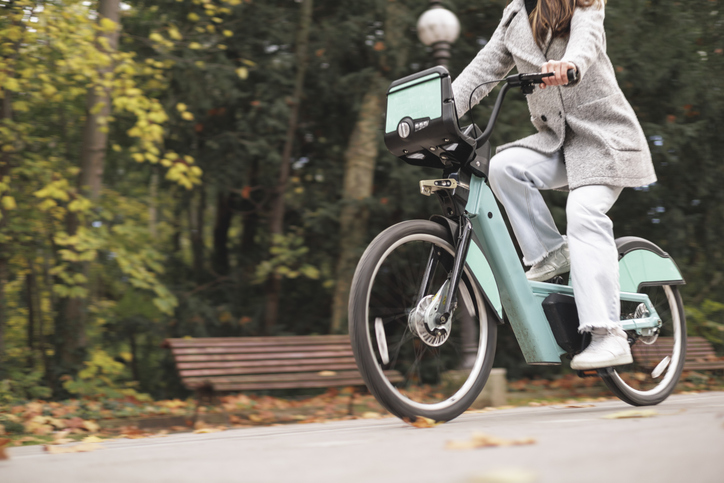
New electric bike rules proposed in Collier County after fatal crash
A 14-year-old rider was killed last spring in a crash on a roadway north of Naples, and Collier County is finally moving on local e-bike rules: age limits, sidewalk versus bike-lane use, Class 3 restrictions. I have been practicing personal injury law in Lee and Collier Counties for over thirty years, and I have watched these bikes go from a niche product to something teenagers are running 28 miles per hour on, often without a helmet, often on roads that were never designed for them. The County Commission’s docket is overdue.
This piece walks through what the proposed county rules actually do, what Florida law already says, the scenarios we keep seeing in our office, and what to do if your family is on the other end of one of these crashes.
What Florida law actually says about e-bikes
Florida classifies e-bikes into three tiers under §316.003, FL Stat.: Class 1 (pedal-assist up to 20 mph), Class 2 (throttle-assist up to 20 mph), and Class 3 (pedal-assist up to 28 mph). Plain-English version: Class 3 is the fast one, and the legislature already decided you have to be 16 to ride one on a public road. That rule is in §316.20655. Helmet rules sit in §316.2065: required for any rider under 16 on a bicycle or e-bike, optional for adults.
When a crash happens, three other statutes do most of the work:
- Modified comparative negligence. §768.81, FL Stat. Since the March 2023 tort reform, a Florida injury plaintiff who is found more than 50% at fault recovers nothing. At 50% or less, the recovery is reduced by the percentage of fault. Plain-English version: if an e-bike rider rolls a stop sign and a jury puts him at 60% on a fact pattern where a driver was also speeding, he is out. At 40%, he still recovers 60 cents on the dollar.
- Statute of limitations. §95.11(4)(a), FL Stat. Two years to file a negligence lawsuit, post-reform. (Crashes before March 24, 2023 may still get the old four-year window. Call us if you are anywhere near that line.)
- PIP. §627.736, FL Stat. Personal Injury Protection is a motor-vehicle product. It does not attach to the bicycle or the e-bike. But if a car hit the rider, PIP from that driver and from the rider’s household auto policy often comes into play. We check this on every file.
- Uninsured Motorist. §627.727, FL Stat. When the at-fault driver carries the Florida minimum (10/20), which on a serious-injury e-bike case is almost never enough, the family’s own UM coverage is the next layer to look at.
- Crash reporting. §316.066, FL Stat. Any crash involving injury, death, or apparent vehicle damage of $500 or more has to be reported. Get the report number on scene if you can.
The proposed Collier County ordinance does not change any of that. It layers on top: a county-level reinforcement of the 16-year-old floor for Class 3 e-bikes on roadways, a default rule that adult riders use bike lanes rather than sidewalks, and an explicit allowance for adults riding sidewalks alongside children under 16. The County Commission is collecting comment through the spring before a final vote.
The crash patterns driving Collier County’s rule-making push
From three decades of personal injury work in Lee and Collier Counties, here are the patterns that come through the office:
- Teen rider, suburban arterial, driver pulls out of a side street. The driver’s defense is always “I never saw him.” On a 28 mph Class 3 bike, the closing speed is closer to a moped than to a cyclist, and drivers calibrated for a 12 mph cruiser misjudge the gap. Liability usually rests on the driver, but comparative-fault percentages get fought hard.
- Teen rider, sidewalk, driveway conflict. A pickup backing out of a residential driveway clips an e-bike on the sidewalk. Sidewalk use is legal in most Florida jurisdictions unless a local rule says otherwise. The proposed county ordinance would restrict this for adults. Driver duty to clear the sidewalk before reversing is well-settled.
- Adult commuter, no shoulder, sideswipe. Florida’s three-foot passing rule (§316.083) applies. Most drivers do not know that and do not honor it.
- Battery or motor defect. A Class 2 throttle locks open, a brake fails, a battery thermal event. These are product liability files and a different animal, with different statutes, different defendants, and a different timeline.
- Family member killed. The hardest call we take. Wrongful death cases under §768.21 have a two-year filing window and a damages structure (loss of support, loss of companionship, mental pain and suffering) that families need walked through carefully before they sign anything with anyone.
Four things that make e-bike cases harder than a standard bicycle file
An e-bike case is not a bicycle case with a bigger number on it. Four things make these harder than a typical pedal-bike file:
Speed differential. A 28 mph Class 3 bike arriving at an intersection looks like a 12 mph bicycle to a driver glancing left. The reconstruction work, sometimes a download from the bike’s controller, sometimes a witness with dashcam video, matters more than on a slower file.
Helmet and gear evidence. Florida does not require adults to wear a helmet, but defense counsel will still raise it on a head-injury case to argue comparative fault. We tell clients: save the helmet, the gear, the bike. Even a cracked helmet is a piece of evidence that explains the medicine.
Coverage stacking. Because PIP follows a motor vehicle and not the bike, the coverage analysis is more involved on day one than on a routine auto file. We have salvaged six-figure recoveries on cases where the at-fault driver had nothing, by finding household UM, a resident relative’s policy, or umbrella coverage.
Comparative-fault math after 2023. Under §768.81 as amended, a rider found 51% at fault gets zero. We have had cases turn on a single percentage point. That is the difference between a meaningful recovery and a closed file with no compensation.
A bicycle claim we worked
A client came to our office after he had been turned away by two of the big-billboard firms. He had been hit, his injuries were real, persistent neck and shoulder pain that interfered with his work and his sleep, but the case did not hit the dollar thresholds those firms use to decide which files get attention. Two doctors he was seeing for his recovery sent him to us. They had referred clients to us before and they knew how we work.
I sat with him and listened. The injury was not catastrophic, but it was real, and it was affecting his life every day. We coordinated the file the way we coordinate every file. The case resolved for a fair and dignified amount, enough to cover the medical and to recognize the months he spent dealing with pain that the insurer’s first offer treated as if it did not exist.
The point of telling that story is not the dollar figure. The point is that there is no such thing as a “small” injury when it is the one affecting your life. We do not run a high-volume settlement mill, and we do not turn people away because their case will not generate a billboard headline. That is the family-firm part of how I have always run this office.
What to do if you or your child are hit on an e-bike
From thirty years of working these files, here is the order that actually matters:
- Get the ambulance and the police on scene. Even if the rider says he feels fine, head and neck symptoms can take 12 to 48 hours to show. A documented EMS evaluation at the scene is worth more than any photograph.
- Save the bike, the helmet, the gear. Do not wash the clothes. The helmet tells the neurologist and the reconstruction witness what hit what. The clothes can carry paint transfer from the vehicle. I have had cases where a streak of paint on a jacket made the difference on identifying a hit-and-run driver.
- Get the crash report number before you leave the scene. §316.066 requires the report. The number gets you the report when it is filed, usually within 10 days.
- Photograph the bike’s controller and battery serial numbers. If there is any chance of a product issue (brake failure, throttle stuck open, thermal event), those numbers are the ticket into a product file.
- Do not give a recorded statement to any insurance company before you have talked to a lawyer. Not your own, not the other driver’s. I have read too many transcripts where a person trying to be helpful gave away the case in the first three minutes.
- Call us, or call any reputable Florida injury lawyer, within days, not weeks. Evidence disappears. Witnesses move. The two-year statute of limitations is real and unforgiving.
Geographically, the patterns repeat themselves. The I-75 corridor through Lee and Collier Counties has its own crash profile: service-road merges, off-ramp confusion, e-bikes getting onto frontage roads they have no business being on. US-41 / Tamiami Trail has its own profile: long crossings, mid-block driveways, drivers turning across the bike lane into commercial parking lots. If you know the road, you can predict the crash.
Key Takeaways
- Florida law already requires you to be 16 to ride a Class 3 e-bike on a public road; the proposed Collier County ordinance reinforces that floor and adds bike-lane and sidewalk rules for adult riders.
- Helmets are only legally required for riders under 16 in Florida, but on a head-injury file the helmet evidence drives the medicine and the comparative-fault argument.
- Modified comparative negligence under §768.81 (post-March 2023) bars any recovery if the rider is more than 50% at fault. Single percentage points decide cases now.
- PIP follows the motor vehicle, not the bike, so coverage analysis on day one is more involved than on a routine auto file; household UM is often the case-saver.
- Two years from the crash date is the deadline to file under §95.11(4)(a) for any crash after March 24, 2023; waiting hurts the case in ways that cannot be undone.
Frequently Asked Questions
Who is allowed to ride a Class 3 e-bike under the proposed Collier County rules?
Under the proposal in front of Collier County, riders must be at least 16 years old to operate a Class 3 e-bike on a public roadway. Florida law (§316.20655, FL Stat.) already sets that 16-year-old floor for Class 3 e-bikes statewide. The county rule pulls that statewide age limit into local code and adds rules about where e-bikes can and cannot ride.
Does Florida law require an e-bike rider to wear a helmet?
Florida only requires a helmet for bicycle and e-bike riders under 16. Adults are not required to wear one. From thirty years of handling these injury cases in Lee and Collier Counties, I can tell you the helmet question changes the medical picture more than any other single factor. Wear one, and have your kids wear one.
If my child caused an e-bike crash, can our family still recover anything?
Often yes. Florida’s Rule of 6 means a jury cannot assign any percentage of fault to a child under six. For older children, Florida uses modified comparative negligence under §768.81 (post-2023 reform): if the child is found 50% or less at fault, the family can recover damages reduced by that percentage. There is also frequently a second driver, a defective component, or a property owner whose conduct is in play.
What is the deadline to file an injury claim from an e-bike crash in Florida?
Two years from the date of the crash for negligence cases under §95.11(4)(a), FL Stat., for any crash occurring after the March 24, 2023 tort reform. Cases from before that date may still fall under the older four-year window. Wrongful death has its own two-year deadline. The clock runs fast, and waiting hurts the case.
Does PIP (no-fault) cover an e-bike rider injured in a crash?
PIP under §627.736, FL Stat. attaches to a motor vehicle, not to a bicycle or e-bike. If a car was involved in the crash, the rider may be able to draw on the at-fault driver’s PIP and on the rider’s own household auto PIP. That is a fact-specific question and one of the first things our office checks when a new e-bike file comes in.
Talk to our office
If you or someone in your family has been hurt in an e-bike crash anywhere in Lee or Collier County, call our office at 239-992-8259 for a free consultation. I will sit with you, look at the report, look at the coverage picture, and tell you straight whether a case is there. There is no fee unless we recover for you.
About the Author

David B. Pittman, Esq. is a thirty-plus-year personal injury attorney across Southwest Florida and the founder of Pittman Law Firm, P.L., with a sustained focus on serious-injury auto and complex-liability cases. The firm represents injured clients across Lee and Collier Counties (Bonita Springs, Fort Myers, Naples, Estero, Cape Coral, and Lehigh Acres) with offices in Bonita Springs and Fort Myers.
Two schools made the lawyer: The Citadel, The Military College of South Carolina, and the University of South Carolina School of Law. The recognition followed: AV-Preeminent at Martindale-Hubbell, membership in the Multi-Million Dollar Advocates Forum.
David has held a Florida real estate broker license for twenty-five years, a credential that shapes how the firm reads the property side of premises cases. The firm handles personal injury cases across Lee and Collier Counties, serving Fort Myers, Bonita Springs, Naples, Cape Coral, Estero, and Lehigh Acres, with offices at Windsor Place in Bonita Springs (main) and Fort Myers (satellite). Call 239-992-8259 for a free consultation.
The information on this website is for general information purposes only. Nothing on this site should be taken as legal advice for any individual case or situation. This information is not intended to create, and receipt or viewing does not constitute, an attorney-client relationship. This is attorney advertising.