

Why Florida Truck Weight Violations Lead to Deadly Crashes
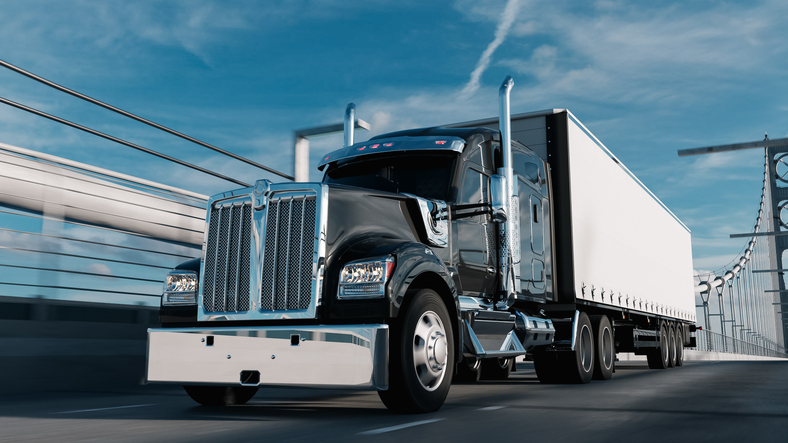
People sometimes assume that a truck’s legal weight limit is a paperwork number — something a carrier manages with a fine and moves on from. It is not. Florida caps commercial trucks at 80,000 pounds for a reason grounded in physics: that is the weight at which a properly maintained rig can still stop, steer, and corner inside the safety margins our highways were engineered for. Above that number, stopping distances lengthen, tires overheat, and brakes fade in ways that matter enormously to everyone else on I-75 or US-41. An overloaded tractor-trailer is not a compliance problem. It is a physics problem the carrier chose to put on the road.
Florida is a high-traffic freight state. The I-75 corridor through Lee and Collier Counties moves produce out of Immokalee, gravel out of the inland pits, and consumer goods from the Port of Tampa down to Naples. Most of those drivers do the job right. The ones who do not, the ones who run heavy because the dispatcher told them to and the next load is already booked, are the ones who end up in our intake files.
What Florida law actually says about commercial truck weight
There are two statutes that do most of the work, and a federal rulebook that fills in the rest. None of them are hard to read once you strip the legalese.
Florida Statute § 316.535 sets the hard caps. The gross weight ceiling is 80,000 pounds on the Interstate and on most state roads. A single axle cannot carry more than 20,000 pounds. A tandem axle cannot carry more than 34,000 pounds. Plain English: the legislature picked 80,000 because that is the weight at which a properly engineered truck can still stop, steer, and corner inside the safety envelope our highways were built for. Above that number, the math stops working.
Florida Statute § 316.520 makes it unlawful to operate a vehicle with cargo that is not secured against escape. Plain English: if the load can shift, bounce out, or fall off, the driver is breaking the law before the wheels ever roll. Section 316.525 sits next to it and lays out the rules for moving an escaped or shifted load. We cite both of these in nearly every overweight or shifted-load case because the violation is right there on the face of the statute.
On the federal side, 49 CFR Part 393 is the FMCSA cargo securement rule. It tells the carrier how many tie-downs a load needs, what the working load limit on each strap has to be, and how often the driver has to recheck the load on a long haul. 49 CFR Part 395 is the hours-of-service rule, which matters because a tired driver in an overweight truck is the combination we see most often in fatal crashes. 49 CFR Part 396 covers inspection and maintenance. If a brake drum is worn past its allowable thickness or a tire is below tread limit, the carrier owns that, and an overweight load makes those defects show up on the highway instead of in the shop.
Weight-violation patterns that appear in our Southwest Florida files
After thirty years of these files, the same handful of patterns repeat. I list them here because they are useful both for someone deciding whether to call our firm and for someone trying to understand what their own case actually involves.
- The straight overweight haul. The scale at the weigh station shows the truck at 88,000 or 92,000 pounds. The driver may not even know how heavy he is, because the shipper sealed the trailer and gave him a bill of lading that did not match what went on the truck.
- The shifted load. The truck rolls out at legal weight but the cargo was not braced to the standards in 49 CFR Part 393. The first hard brake on I-75 sends a pallet through the front wall of the trailer, the trailer goes sideways, and the rig jackknifes.
- The axle-cap violation. Gross weight is fine, but the load was placed badly and the rear tandem is carrying 38,000 pounds. The tires above that axle blow first, the driver loses the trailer, and the next car in line takes the hit.
- The escaped load. Section 316.520 country: scrap metal, construction debris, a roll of fence wire that comes off in traffic and lands in front of a passenger car. The driver keeps going because he never knew it fell.
- The maintenance-plus-weight stack. Worn brakes from a Part 396 violation combined with a load that is 6,000 pounds too heavy. Each defect alone might be survivable. Together they produce the runaway-truck call we get two or three times a year off the Alligator Alley descent.
What makes commercial truck cases difficult to resolve
From the outside, an overweight case looks easy. The truck was too heavy, the truck hit the family, the carrier pays. Inside the file, three things complicate it.
First, the carrier’s lawyers know the weight ticket is bad for them, so they pivot. They will argue that the overweight condition did not cause the collision, that the driver would have rear-ended the car at legal weight too. That argument fails when we put a reconstruction engineer on the case who can show stopping-distance math at both weights. It does not fail by itself.
Second, the shipper hides. The motor carrier is the obvious defendant, but the company that loaded the trailer often has the deeper pocket and the actual responsibility for what went on the truck. Pulling the bill of lading, the dispatch records, and the loading-dock surveillance is what tells us whether the shipper belongs in the lawsuit. Florida lets us bring them in if the facts support it, and we do.
Third, evidence is on a clock. Electronic logging device records, engine control module downloads, dashcam footage, weigh-station scale-house tickets, dispatch texts to the driver: all of these live on systems that overwrite themselves in 30 to 90 days. If the preservation letter does not go out the first week, the carrier will tell the court the records rolled off in the ordinary course of business, and the judge will usually believe them.
A delivery-truck case from our Estero corridor files
A client of ours was driving north on US-41 in Estero, just past Coconut Point. A branded delivery van pulled out of a shopping-center entrance and cut straight across his lane. He had the right of way. He braced against the steering wheel hard enough to tear the rotator cuff in his right shoulder before the van ever touched his vehicle.
The surgery was arthroscopic. The recovery was not quick. He spent months in occupational therapy trying to get range of motion back into a dominant arm he used at work every day. The carrier’s first move was the move they always make on a branded-vehicle file: blame the driver personally, distance the corporation, and offer a number that would have barely covered the surgical bill.
We pulled the delivery company’s dispatch logs, the driver’s route record, and the training file on parking-lot egress. By the time we sat down for mediation, the corporate insurer had a full picture of what the file would look like in front of a Lee County jury. We resolved it as a high-value settlement against the national delivery corporation’s commercial policy, with the client keeping enough to cover the rest of his treatment and replace the income he lost during recovery.
The lesson I take from that file is the one I tell every new client: a branded truck is not a small case just because the vehicle was a van instead of an eighteen-wheeler. The same FMCSA rules apply, the same dispatch pressure shows up in the records, and the same insurance tower sits behind the corporate name.
What to do if you have been hit by a commercial truck in Southwest Florida
I get asked for a checklist on this almost every week. the real version is shorter than the internet version.
- Get the police on scene before anything else. A Florida Highway Patrol commercial-vehicle officer can request an immediate weigh on a suspected overweight rig. If that happens at the scene, the ticket lives in the public record and the carrier cannot make it disappear later.
- Photograph the truck, the trailer, the placards, and the DOT number on the cab door. The DOT number is how we find the carrier’s safety record before we file. If a passenger or a bystander can take the photos, even better.
- Do not give a recorded statement to the carrier’s adjuster. They will call within 24 hours. Tell them you are getting medical care and that an attorney will follow up. That sentence costs you nothing and protects you from being held to a story you told while you were still in shock.
- See a doctor the same day, even if you feel fine. Rotator cuff tears, disc injuries, and concussions often present at 48 to 72 hours, not at the scene. A same-day record is the single most useful piece of evidence for tying the injury to the crash later.
- Save everything that came out of the vehicle. The clothes you were wearing, the child seat if a child was in the car, the dashcam SD card if you had one. We have had cases turn on a single bent buckle that the insurer claimed was pre-existing.
- Call before the 30-day mark. Not because of statute of limitations, that is four years, but because the carrier’s electronic records start aging out and the preservation letter has to go before they do.
Key Takeaways
- Florida caps commercial trucks at 80,000 pounds gross, 20,000 pounds per single axle, and 34,000 pounds per tandem axle under § 316.535. Above those numbers, stopping distance and rollover risk both climb sharply.
- An overweight ticket is strong evidence of negligence in a Florida personal injury case, but you still have to tie the extra weight to the way the collision actually happened.
- Liability in a commercial-truck case usually reaches past the driver to the motor carrier, and often to the shipper or third-party loader who put the cargo on the trailer.
- Electronic logs, engine downloads, and dispatch records age out in 30 to 90 days. A written preservation letter in the first week of the case is what keeps that evidence alive.
- Federal rules in 49 CFR Parts 393, 395, and 396 govern cargo securement, hours of service, and vehicle maintenance. A violation of any one of them in combination with a Florida weight violation is a fact pattern juries take seriously.
Frequently Asked Questions
Q1. What is the legal weight limit for a commercial truck on Florida highways?
Under Florida Statute § 316.535, the gross weight ceiling for a commercial truck on the Interstate and most state highways is 80,000 pounds, with a single-axle cap of 20,000 pounds and a tandem-axle cap of 34,000 pounds. Federal rules under 49 CFR Part 393 also govern how cargo must be tied down inside that weight.
Q2. Does an overweight ticket automatically prove the trucking company was at fault for my crash?
Not on its own. A weight ticket establishes a regulatory violation, and Florida courts often treat that as evidence of negligence. We still have to connect the extra weight to what actually happened, longer stopping distance, brake fade, an unstable load that shifted, before a jury or insurer will tie the violation to your injuries.
Q3. Who can I bring a claim against after an overweight truck crash in Southwest Florida?
Usually the driver, the motor carrier that employs the driver, and any shipper or third-party loader that put the cargo on the trailer. If a maintenance vendor signed off on bad brakes or worn tires under 49 CFR Part 396, that company can be on the hook as well. Each defendant brings its own insurance policy, which matters when the medical bills are large.
Q4. How fast does evidence disappear in a truck case?
Fast. Electronic logging device data, engine control module downloads, dispatch records, and scale-house tickets can roll off within 30 to 90 days unless someone sends a written preservation letter. Our office gets that letter out the same week we are hired so the carrier cannot claim the records were overwritten in the normal course of business.
Q5. How long does a Florida truck-accident case take to resolve?
Most resolve in six to eighteen months. Cases with disputed liability, multiple defendants, or serious injuries that need a year of treatment before we know the full medical picture run longer. We do not push clients to settle before their doctors finish, because lowballing the future medical number is one of the most common ways injured people get hurt twice.
Talk to our office before the carrier’s adjuster talks to you
If a commercial truck has hurt you or someone in your family on I-75, US-41, or anywhere in Lee or Collier Counties, I would be glad to sit down with you. There is no charge for the first conversation. We work on a contingency, which means there is no fee unless we recover for you. Call 239-992-8259 for a free consultation, or stop by our main office at Windsor Place on Bonita Beach Road.
About the Author

Pittman Law Firm, P.L., a personal injury practice that has operated across Southwest Florida for more than thirty years, is led by founder David B. Pittman, Esq. The firm represents injured clients across Lee and Collier Counties, from the firm’s main office at Windsor Place on Bonita Beach Road through Fort Myers, Naples, Estero, Cape Coral, and Lehigh Acres, with a sustained focus on commercial-vehicle, FMCSA-regulated, and serious-injury cases.
David is a Citadel grad (The Military College of South Carolina, undergraduate) and a University of South Carolina School of Law grad (JD). Martindale-Hubbell rates him AV-Preeminent, and he belongs to the Multi-Million Dollar Advocates Forum.
David has held a Florida real estate broker license for twenty-five years, a credential that shapes how the firm reads the property side of premises cases. The firm handles personal injury cases across Lee and Collier Counties, serving Fort Myers, Bonita Springs, Naples, Cape Coral, Estero, and Lehigh Acres, with offices at Windsor Place in Bonita Springs (main) and Fort Myers (satellite). Call 239-992-8259 for a free consultation.
The information on this website is for general information purposes only. Nothing on this site should be taken as legal advice for any individual case or situation. This information is not intended to create, and receipt or viewing does not constitute, an attorney-client relationship with Pittman Law Firm, P.L.