

Lawyer Ad Warning: Florida Personal Injury Settlement Advertisements to Avoid
Florida personal injury advertising has gotten louder, glossier, and harder to read. According to the American Tort Reform Association, Florida legal advertising spending was somewhere north of $271 million a couple of years ago, and a meaningful share of it is the kind of fast-cash, settle-by-Friday messaging that I have spent three decades cleaning up after. A potential client will sit down, describe a rear-end wreck on I-75, and somewhere in the second paragraph say, “I almost called the firm with the billboard, but my cousin said I should call you.” Then comes the question: how do you tell the real ones from the noise?
Some of these ads are run by careful attorneys who follow every Florida Bar rule. Plenty of them are not. This piece is meant to give you the vocabulary to tell the difference.
What Florida law actually says about lawyer advertising
Florida is one of the most heavily regulated lawyer-advertising jurisdictions in the country. The rules are not buried. They are written down at floridabar.org in Chapter 4-7 of the Rules Regulating The Florida Bar. The ones that matter for the kind of ad you see at midnight on cable are these:
- Rule 4-7.13 — Deceptive and inherently misleading advertisements. An ad cannot promise a result, cannot create unjustified expectations, and cannot use comparative language that the lawyer cannot factually substantiate. In plain English: nobody is allowed to tell you on a billboard that they will win your case.
- Rule 4-7.14 — Potentially misleading advertisements. If a lawyer features a past result, the ad has to include the type of information a reasonable consumer needs to evaluate it. A “$2.5 million verdict” with no context fails that test.
- Rule 4-7.18 — Direct contact with prospective clients. In-person and live telephone solicitation of an accident victim is prohibited, and even written solicitation has a 30-day waiting period after a personal injury or wrongful death. If a stranger calls you the day after a wreck pushing a particular law firm, the rule was already broken before you picked up.
- Florida Statute 316.066(2). Crash report information is restricted for 60 days after an accident, precisely to keep the runner-and-referral economy from harvesting your name off a traffic homicide investigator’s clipboard.
The plain-English version: Florida already has rules against most of the behavior the worst ads encourage. Enforcement is uneven, but the rules give you a yardstick. If something feels wrong, it usually is wrong, and you can usually point to the specific provision it violates.
Four settlement-mill tactics that land in our intake calls from Bonita Springs and Fort Myers
I am not talking here about theoretical bad behavior. These are the four patterns that come through our intake calls in Bonita Springs and Fort Myers on a regular basis:
- The “you don’t need a lawyer” caller. Someone reaches out, sometimes from a number that looks local, and tells the injured person that hiring an attorney will only slow the claim down and eat the recovery. The caller is almost never an attorney. They are usually a lead generator selling the file for a flat fee or a runner for a chiropractic practice.
- The 48-hour settlement push. The carrier or a “claims helper” wants a signed release fast, often before anyone has been to a real follow-up with an orthopedist. The number on the table sounds reasonable to a person staring at a totaled vehicle and a missed paycheck. It almost never accounts for the MRI that is going to be read next week.
- The billboard with the verdict and no context. A nine-figure number, an attorney’s face, and nothing else. The case behind the number may have involved a paraplegic plaintiff, a Fortune 500 defendant, and a five-year trial. None of that is on the billboard. The implied promise is “this is what we get for everyone,” and that is not how personal injury works.
- The “accident consultant” or “claims helper” calling without a license. Sometimes these are former paralegals. Sometimes they are former bail bondsmen. The common thread is that they take a cut of your recovery for “helping” you find a lawyer or a clinic, and the cut comes out of your share, not the attorney’s.
If you have been on the receiving end of any one of these four, the call you make to a Bonita Springs or Naples attorney is not to ask whether something is wrong. It is to figure out what to do next.
Settlement-mill cases are harder than the ads suggest
Here is the part the ads do not put on the billboard. Florida personal injury cases got significantly more complicated after the March 2023 tort reform legislation, and a fast-cash settlement is now a much costlier decision than it was three years ago. A few of the moving pieces:
Modified comparative negligence at 50%. Florida Statute 768.81 was amended in 2023 to bar recovery if the plaintiff is more than 50% at fault. If you sign a release before anyone has reconstructed the crash, you are accepting the carrier’s version of fault — and the carrier is the party with every incentive to push your percentage above 50.
The two-year statute of limitations. The same 2023 legislation cut the negligence statute of limitations from four years to two for any cause of action accruing after March 24, 2023. Settlement-mill files routinely sit on a referral chain for months. A quick settlement looks like speed; a quick settlement on the wrong case can also bury the limitations clock.
Letters of protection and medical-bill admissibility. The 2023 changes also restructured how medical bills come into evidence — what you can claim is now generally limited to amounts actually paid plus what is reasonable and customary, and letters of protection have new disclosure requirements under Florida Statute 768.0427. A settlement that does not account for how those numbers will be presented to a jury is a settlement built on out-of-date math.
Fabre defendants. A jury can put a percentage of fault on a non-party — a so-called Fabre defendant — and a release with one carrier does not always close the door on related claims. None of this is on a billboard. All of it is on the table on day one of a intake.
What to do if you got the call, the text, or the visit
If you are reading this after one of those four scenarios already happened, here is the observed-from-practice action list:
- Write down the contact. Phone number, name, time of call, what they said, what firm or clinic they named. A screenshot of the text is better than your memory of it. We use these in Bar complaints and in motions to invalidate improper retainers.
- Do not sign anything until somebody who is not selling you something has read it. That includes medical authorizations, retainer agreements, and especially settlement releases. A release is a one-way door. I have not yet met a client who regretted slowing down for a second opinion before signing one.
- Save the paper. Every letter from the insurance company, every demand, every offer, every form you were asked to sign — keep all of it in one folder, not scattered across a kitchen counter. If a runner left a business card, save the card.
- Ask the lawyer who will actually handle your case. If the answer is a case manager you will never meet in person, that is data. There is nothing wrong with a firm using paralegals well. There is something wrong with a firm where the lawyer on the billboard is never the lawyer on the file.
- Verify the license. Every Florida attorney has a public profile on floridabar.org with their disciplinary history. It takes ninety seconds. Do it before you sign a contract, not after.
I have used this checklist with clients walking in off US-41 after a fender-bender and with families dealing with a wrongful-death investigation on the I-75 corridor through Lee and Collier Counties. The same five items hold up in both situations.
Key Takeaways
- Florida Bar Rule 4-7.13 and Rule 4-7.14 already prohibit most of what makes a flashy settlement ad feel wrong — promised results, isolated verdict numbers without context, and unjustified expectations.
- If a stranger contacts you about your accident within 30 days, that contact almost certainly violates Rule 4-7.18 or Florida Statute 316.066(2). Document it.
- The 2023 tort reform legislation made fast settlements riskier — a two-year statute of limitations, modified comparative negligence at 50%, and tighter medical-bill admissibility rules all favor a slower, better-documented case.
- Never sign a release before reaching maximum medical improvement. Once it is signed, that case is closed, including for medical complications that have not shown up yet.
- The lawyer on the billboard should be the lawyer on your file. Ask the question directly, in writing, before you retain anyone.
Frequently Asked Questions
Is it legal in Florida for a lawyer to advertise a specific settlement number?
Yes, but with strings attached. Florida Bar Rule 4-7.13 prohibits any ad that is deceptive or misleading, and Rule 4-7.14 requires that a featured result include the kind of information a reasonable person would need to evaluate it. A billboard that flashes a verdict without saying what the injury was or how typical the result is can violate those rules. If the number is real and the surrounding context is it is permitted.
What does “no fee unless we recover” actually mean under Florida rules?
It means the firm works on a contingency fee, governed by Florida Bar Rule 4-1.5(f). The percentage the lawyer can charge is capped by a sliding scale tied to the stage of the case — pre-suit, in litigation, after appeal — and the client still owes case costs in most agreements unless the contract says otherwise. Read the fee contract before you sign. If the lawyer cannot explain it in plain English, that is the answer to your question.
Why do I get phone calls and texts about my crash within hours of the accident?
Because someone sold your information. Florida Statute 316.066(2) restricts how crash report data can be released for the first 60 days, and Florida Bar Rule 4-7.18 prohibits in-person and live telephone solicitation of an accident victim by a lawyer. If a stranger calls you within 30 days of a wreck pushing a particular law firm or clinic, that contact is almost certainly improper. Document the number, save the voicemail, and tell us about it at intake.
Should I take the insurance company’s first offer if it sounds reasonable?
Not before you reach maximum medical improvement, which is the point at which your treating doctor says you are as healed as you are going to get. Once you sign a release, the file is closed, including future surgeries, future lost wages, and complications that show up later. The first offer almost never accounts for what is still ahead of you medically, and Florida law does not let you reopen a signed release just because the injury turned out to be worse than you thought.
What credentials should I look for in a Florida personal injury attorney?
Years actually trying personal injury cases in Florida, not years in practice generally. Membership in groups like the Multi-Million Dollar Advocates Forum, an AV-Preeminent rating from Martindale-Hubbell, and a clean Florida Bar disciplinary history are good signals. Ask who will be doing the work on your file. If the answer is a case manager you will never meet, that is information you should have before you sign anything.
If you took the call, the text, or the settlement — talk to us before you sign
If you have already taken a fast-cash call, gotten a settlement offer in the mail, or signed something you are now second-guessing, the conversation worth having is the one before another deadline passes. Pittman Law Firm has handled personal injury cases across Lee and Collier Counties for over thirty years. Call 239-992-8259 for a free consultation. There is no fee unless we recover for you.
About the Author
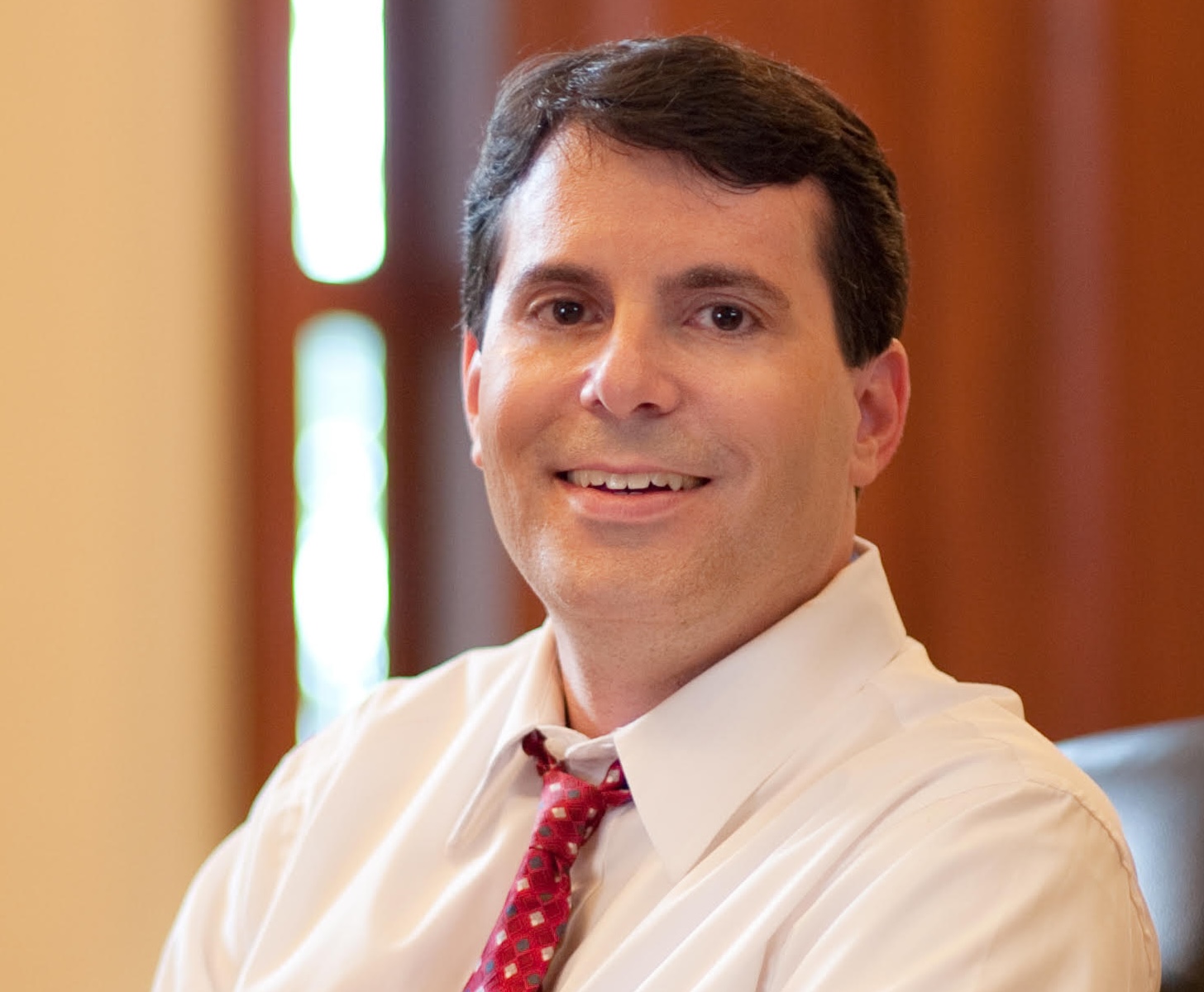
David B. Pittman, Esq. is a thirty-plus-year personal injury attorney across Southwest Florida and the founder of Pittman Law Firm, P.L. The firm represents injured clients across Lee and Collier Counties — from the firm’s main office at Windsor Place on Bonita Beach Road through Fort Myers, Naples, Estero, Cape Coral, and Lehigh Acres, with a particular focus on commercial-vehicle, complex-liability, and serious-injury cases.
Educationally, David is a graduate of both The Citadel, The Military College of South Carolina, and the University of South Carolina School of Law. Professionally, he holds AV-Preeminent status with Martindale-Hubbell and Multi-Million Dollar Advocates Forum membership, and he has spent his career trying and resolving personal injury cases for Florida families.
David has held a Florida real estate broker license for twenty-five years, a credential that shapes how the firm reads the property side of premises cases. The firm handles personal injury cases across Lee and Collier Counties, serving Fort Myers, Bonita Springs, Naples, Cape Coral, Estero, and Lehigh Acres, with offices at Windsor Place in Bonita Springs (main) and Fort Myers (satellite). Call 239-992-8259 for a free consultation.
The information on this website is for general information only and is not legal advice for any individual case. Reading this article does not create an attorney-client relationship with Pittman Law Firm, P.L. This is attorney advertising.