

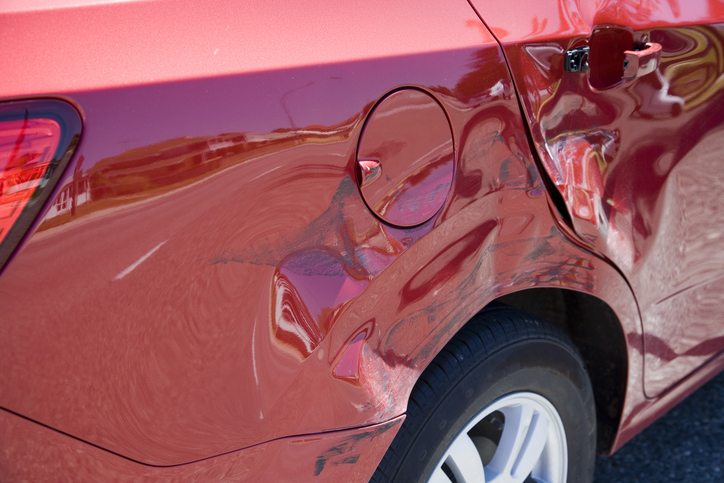
Hit-and-Run Crashes in Bonita Springs: Why Drivers Flee and What Florida Law Lets You Do About It
If you are reading this because a driver just hit you on Old 41, near Pelican Landing, or out on US-41 in Bonita Springs and kept going — here is the most important thing to know right now: your own Uninsured Motorist coverage is built for exactly this situation. The other driver does not have to be identified for you to recover. What matters is what you do in the next forty-eight hours.
For anyone not in the immediate aftermath, I want to walk through what Florida law says about leaving the scene, why drivers actually flee, the recovery paths your own policy already gives you, and a real case from North Fort Myers that ended in a full recovery even though the other driver was never found.
What Florida law actually says about leaving the scene
Florida treats hit-and-run as a distinct crime under §316.027, Florida Statutes. Plain-English version: every driver involved in a crash that caused injury or death has a legal duty to stop at the scene, render aid, and exchange identifying information. Driving away is its own crime, completely separate from whatever caused the crash in the first place. A driver who runs a red light and hits you is a negligent driver. The same driver, if he then drives off, is a felon.
The grading of the offense scales with what was left behind. Leaving the scene of a crash with bodily injury is a third-degree felony, punishable by up to five years in state prison. Serious bodily injury moves it to a second-degree felony and up to fifteen years. A fatality is a first-degree felony, and the Aaron Cohen Life Protection Act bolts on a four-year mandatory minimum prison sentence. Property-damage-only hit-and-runs are charged under §316.061 as a second-degree misdemeanor. The driver’s license consequences are layered on top of all of that.
On the civil side, two statutes do most of the heavy lifting for victims. The first is §627.727, Florida Statutes, which governs Uninsured Motorist coverage. UM is the policy line that recovers your bodily-injury damages when the at-fault driver has no insurance or, as in a hit-and-run, cannot be identified. Florida treats an unidentified driver as an uninsured driver for UM purposes. The catch is that the insurer can dispute whether a “phantom vehicle” actually existed if there was no physical contact and no independent witness. Make a habit of reading your own declarations page once a year so you know what you actually carry.
The second civil statute is §627.736, Florida Statutes, the Personal Injury Protection statute. PIP pays 80% of reasonable medical expenses and 60% of lost wages up to $10,000, regardless of fault and regardless of whether the fleeing driver is ever identified. The one rule that ends more PIP claims than any other: you must begin medical treatment within 14 days of the crash. Miss that window and PIP eligibility is gone. People hear “I feel okay, I’ll see how it goes” and then call us on day 18. By then we are doing damage control instead of recovery.
Why drivers flee — the eight patterns we see
People want a clean story about why somebody flees. The real reasons cluster into a handful of patterns we see repeating. In rough order of frequency from our case files:
- The driver has no insurance. Roughly one in seven Florida drivers carries no bodily-injury liability coverage at all. When the consequences of staying include a lawsuit they cannot pay, some of them run.
- The driver is impaired. Alcohol, prescription medication, or recreational drugs. The DUI penalty is so much worse than the leaving-the-scene penalty that some drivers do the math on the side of the road and run.
- The driver has a suspended license or an active warrant. Staying means an arrest on something other than the crash itself.
- The driver is undocumented and afraid of immigration consequences. This fear is widespread, and it is not entirely rational. Florida accident-reporting law does not turn on immigration status, and victims have the same recovery rights regardless of the fleeing driver’s status.
- The driver is in a vehicle that is not theirs. Borrowed cars, dealer plates, stolen vehicles, fleet trucks the driver was not supposed to be using. Staying produces a conversation the driver does not want to have with the owner.
- The driver is on the clock for a job they are not supposed to be doing. Delivery drivers off-route, gig drivers logged in to two apps at once, commercial drivers over their FMCSA hours-of-service limit. Staying creates a paper trail.
- Genuine panic. A first-time driver, often a teenager, hears the impact and runs out of pure fight-or-flight. These are sometimes the easiest cases to resolve because the driver often turns themselves in within 24 hours after a parent finds the damage.
- Sheer cowardice. No warrant, no impairment, no immigration concern, just a person who did not want to deal with it. These are the hardest cases to forgive, and the easiest to prosecute when caught.
Hit-and-run claims — where they break down
From the outside a hit-and-run claim looks simple. Somebody hit you and ran. You have UM coverage. You file. They pay. In practice the road from crash to recovery has several places it can break down, and most callers do not see them coming.
The first complication is the phantom-vehicle defense. UM carriers know the statute, and they know that if there is no physical-contact evidence and no independent witness, they have an argument that the so-called phantom vehicle never existed. I have read denial letters that essentially say, “Our insured swerved to avoid a vehicle that may or may not have been there, lost control on her own, and is now trying to make us pay for a single-vehicle crash.” Photographs of paint transfer on your bumper, a debris field with parts from the other car, a security camera at a strip-mall parking lot on Bonita Beach Road, the statement of the driver behind you who saw the whole thing — any one of those can turn a phantom-vehicle defense into a paid claim.
The second complication is the PIP 14-day deadline. People assume “personal injury” means whatever hurts later. PIP does not work that way. If your first medical visit is on day 15, PIP is gone, and the only medical-bill path left is your health insurance, your UM bodily-injury limits, and out-of-pocket. We have had clients waive thousands of dollars of PIP benefits by toughing out a stiff neck for two weeks.
The third complication is the order in which claims get made. The PIP claim goes first because it is no-fault and it pays your initial medical bills while everything else is being sorted out. The UM bodily-injury claim is next, and it is the one that pays for the diagnostic workup, the orthopedic referral, the physical therapy, the wage loss, and the pain and suffering. The property-damage piece runs on a separate track. If you let your own collision adjuster total the car before photographs are taken of the damage, you have just deleted some of the best phantom-vehicle evidence you had.
The fourth complication is the timing of identifying the fleeing driver. Sometimes the Sheriff’s Office identifies them in 48 hours. Sometimes it takes six months. Sometimes never. The UM claim does not wait for the criminal investigation. We file the civil claim on the UM track and let the criminal case proceed on its own timeline. The two run in parallel, not in sequence.
A North Fort Myers hit-and-run injury claim from our files
A case I think about often started with a phone call from a woman who had been hit in North Fort Myers and could barely get the words out. She had been driving home, was struck hard from the side by a vehicle that took off, and ended up in the emergency room with what turned out to be two ruptured discs in her lower back and a concussion that her family doctor wanted monitored by a neurologist. The other driver was gone. No plate, no description that the responding deputy could work with, no witnesses who stayed.
What she had was her own auto policy, which included Uninsured Motorist bodily-injury coverage that she did not know she had. I worked the UM side with her carrier, which initially pushed back on whether there had been physical contact at all. We pulled photographs from the scene, the deputy’s narrative, and a statement from a driver who had pulled over a minute later and seen the damage to her car.
The carrier paid her UM bodily-injury limits in full. The settlement covered the diagnostic care, the physical therapy course, the neurology workup, her wage loss during the worst of the recovery, and a meaningful pain-and-suffering component. She told us at the closing meeting that the most important thing about the result was not the number on the check; it was that she had not been “hit twice” — once by the driver who ran, and a second time by the medical debt that would otherwise have followed her for years. That phrase is exactly why we picked our domain name.
What to do if you are the victim of a hit-and-run in Bonita Springs
This is the part of the article you bookmark. The order of these steps matters more than most people realize.
- Call 911 from the scene, even for what looks like minor damage. Without a Florida Traffic Crash Report, the UM carrier has a much stronger phantom-vehicle defense. The responding deputy or trooper will generate the report. Get the report number before you leave.
- Write down everything you remember about the other vehicle before you sleep that night. Color, body style, two-door or four-door, sedan or truck or SUV, any part of the plate, any decals, the direction it fled, whether the driver looked at you. Three plate characters plus a color is sometimes enough for the Lee County Sheriff’s Office to narrow the registered-vehicle list to fewer than fifty cars.
- Photograph everything before anything moves. The damage to your car, the debris field, paint transfer on your bumper, skid marks, the position of your car relative to the lane lines, the traffic-control devices at the intersection. Wide shots and close-ups of the same things. If your vehicle is totaled, photograph it in the tow yard before the salvage carrier does anything.
- Look up. Then look up again. Most of Bonita Beach Road, Old 41 from Bonita Springs north toward Estero, and the US-41 corridor through Bonita Bay are covered by some combination of municipal cameras, business cameras at gas stations and strip malls, and doorbell cameras on the residential streets behind Imperial Parkway. Camera footage is usually overwritten within seven to fourteen days. Make a list of every business within line-of-sight of the crash and call them inside 48 hours.
- See a doctor inside 14 days, even if you feel fine. A walk-in clinic visit is enough to preserve your PIP eligibility. The “I’ll wait and see” approach is the single most common way clients lose PIP money.
- Tell your own insurance company that you were involved in a hit-and-run. Do not give a recorded statement to the at-fault carrier — there usually isn’t one anyway — but do report the crash to your own carrier promptly so the UM and PIP claims can be opened. Read the policy for the UM-notice deadline; it can be short.
- Save the car, or at least the parts of it the carrier might want. If there is paint transfer from the other vehicle, ask the body shop to retain the panel until the UM investigation is complete.
- Call a personal-injury attorney before you give a recorded statement to anyone, including your own carrier. Recorded statements are where good claims go to die. The consultation is free. The conversation is short. The protection it buys you is real.
Key Takeaways
- Under §316.027, leaving the scene of a Florida crash with injury is a felony, and the Aaron Cohen Life Protection Act adds a four-year mandatory minimum for fatal hit-and-runs.
- Your own Uninsured Motorist coverage under §627.727 is the primary recovery path when the fleeing driver is never identified — the UM carrier will sometimes raise a phantom-vehicle defense, and physical evidence is what defeats it.
- Florida PIP under §627.736 pays initial medical bills and 60% of lost wages regardless of who hit you, but you must begin medical treatment within 14 days or PIP eligibility is gone.
- Reasons drivers flee cluster into eight repeating patterns — most commonly no insurance, impairment, suspended license or warrant, and immigration fear — and the type of driver who fled often predicts how quickly the case resolves.
- Photographs of paint transfer, debris, and nearby business security cameras taken inside 48 hours are usually the difference between a paid UM claim and a denied one.
Frequently Asked Questions
Q1. If the driver who hit me in Bonita Springs is never identified, can I still recover anything?
Yes, in most cases. Your own Uninsured Motorist coverage under §627.727 is built for this situation, and Florida PIP under §627.736 pays your initial medical bills regardless of whether police catch the fleeing driver. The harder fight is usually with your own UM carrier, which sometimes disputes that a phantom vehicle existed at all. That is why the police report, photographs, and any independent witness statement matter so much in the first 48 hours.
Q2. How long do I have to file a hit-and-run claim in Florida?
Florida’s civil statute of limitations for negligence claims arising on or after March 24, 2023 is two years from the date of the crash. PIP medical treatment must begin within 14 days. UM claim notice deadlines are set by the policy and are usually much shorter, often as little as 30 days for the initial report. The safe rule is to call our office, or any qualified personal injury attorney, within days of the crash, not months.
Q3. Is the driver who fled going to be charged with a felony?
Under §316.027, Florida Statutes, leaving the scene of a crash that caused bodily injury is a third-degree felony. Serious bodily injury raises it to a second-degree felony. A fatality makes it a first-degree felony with a mandatory minimum prison sentence of four years under the Aaron Cohen Life Protection Act. Property-damage-only hit-and-runs are charged under §316.061 as a misdemeanor.
Q4. Does my own insurance rate go up if I make a UM claim after a hit-and-run?
Florida law prohibits an insurer from raising your premium because you made a UM claim for a crash in which you were not at fault. That said, carriers do sometimes try to find another reason to non-renew, and they will sometimes deny the UM claim outright by arguing the phantom vehicle never made physical contact with your car. Read the denial letter carefully and have an attorney review it before you accept it.
Q5. What if I only caught part of the license plate, or a partial vehicle description?
Partial information is far more useful than people assume. Three of the seven plate characters plus a vehicle color and a body style is often enough for the Lee County Sheriff’s Office or Florida Highway Patrol to run a query that narrows the field to a handful of registered vehicles. Tell the responding officer everything you remember while it is fresh, and write it down for yourself before you sleep that night.
Talk to our office before you talk to the insurance company
If you or a family member has been hit by a driver who took off, call our Bonita Springs office at 239-992-8259 before you give a recorded statement to anyone. The consultation is free. We work on a contingency basis, which means there is no fee unless we recover for you. I will sit down with you, look at the police report and the photographs, walk through your UM and PIP coverage, and tell you plainly whether we think the case is one we should handle together.
About the Author

Since founding Pittman Law Firm, P.L., David B. Pittman, Esq. has spent more than thirty years representing injured clients from the firm’s Windsor Place office on Bonita Beach Road, with a particular focus on commercial-vehicle, complex-liability, and serious-injury cases across Lee and Collier Counties. Bonita Springs is home for the firm, and most of its child-pedestrian, premises, and family-injury cases come from the residential corridors off Old 41 and Imperial Parkway, the school zones around the Bonita Beach Road corridor, and the surrounding Lee County neighborhoods.
David earned an undergraduate degree at The Citadel, The Military College of South Carolina, and a JD at the University of South Carolina School of Law. He carries AV-Preeminent status with Martindale-Hubbell and is a member of the Multi-Million Dollar Advocates Forum.
David has held a Florida real estate broker license for twenty-five years, a credential that shapes how the firm reads the property side of premises cases. The firm handles personal injury cases across Lee and Collier Counties, serving Fort Myers, Bonita Springs, Naples, Cape Coral, Estero, and Lehigh Acres, with offices at Windsor Place in Bonita Springs (main) and Fort Myers (satellite). Call 239-992-8259 for a free consultation.
This article is for general informational purposes only and is not legal advice. Reading it does not create an attorney-client relationship with Pittman Law Firm, P.L. Every case is different, and the outcome of any particular case depends on its own facts. Past results do not guarantee a similar outcome in any future case. The hiring of an attorney is an important decision that should not be based solely on advertisements; before you decide, ask us to send you free written information about our qualifications and experience.