

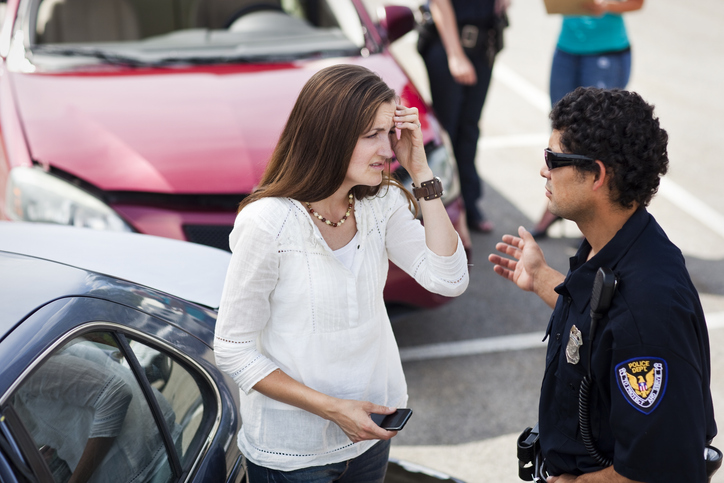
Non-Economic Damages After a Bonita Springs Car Accident: What Florida Actually Lets You Recover
People in Bonita Springs already understand that the hospital is going to send a bill, and that the body shop is going to send a bill, and that two weeks of missed work shows up on a pay stub. What they don’t know — and what I get asked about regularly in a first call after a crash — is whether Florida law lets them be paid for the rest of it. The months of sleeping in a recliner because their neck won’t tolerate a pillow. The panic that hits at the intersection where the crash happened. The trip to Spanish Wells with the grandkids they had to cancel because they couldn’t sit in a car that long. These are real losses, and Florida law does allow recovery for them.
The longer answer — what the statute actually says, how a jury or an adjuster puts a number on it, and what can shut the whole claim down — is what this post is for. I have been working car accident files out of our Windsor Place office on Bonita Beach Road for a long time, and the same patterns repeat year after year.
What Florida law actually says about non-economic damages
Two statutes drive most of what happens in a Bonita Springs car accident claim, and a third one decides whether you get to file at all.
The first is section 768.81, Florida Statutes — modified comparative negligence. In 2023 the Legislature changed Florida from a pure comparative state to a modified comparative state. In plain English: if a jury decides you were more than 50 percent at fault for the crash, you recover zero. Not a reduced amount — zero. If you are 50 percent or less at fault, your damages get reduced by your share. A $200,000 verdict at 20 percent fault on you pays $160,000. The same verdict at 51 percent fault on you pays nothing. That single sentence is why the fault fight in a 2026 Florida car case is so much sharper than it used to be.
The second is section 627.736, Florida Statutes — Personal Injury Protection. PIP pays 80 percent of reasonable medical bills and 60 percent of lost wages up to a $10,000 limit, no matter who caused the crash. What people miss is that PIP does not pay one cent for pain and suffering. Non-economic damages have to come from somewhere else — usually the at-fault driver’s bodily injury liability policy, and when that is not enough, from your own uninsured/underinsured motorist coverage under section 627.727. Florida also requires, before you can sue for pain and suffering at all in most auto cases, that you cross the permanent-injury threshold built into the no-fault statute. A soft-tissue strain that resolves in six weeks generally does not clear that threshold. A herniated disc with positive imaging and a treating doctor’s opinion of permanency generally does.
The third is section 95.11(4)(a), Florida Statutes — the statute of limitations. For negligence claims that arose on or after March 24, 2023, you have two years from the date of the crash. Not four. The old four-year window is gone for these cases, and we have already seen people lose claims because they assumed they had more time than they did.
The five categories of non-economic damages we actually see
When a Bonita Springs case settles or goes to a jury, the pain-and-suffering number is usually built from some combination of these:
- Physical pain. The headaches, the nerve pain down the arm or the leg, the surgery scar that aches when the weather turns, the back that won’t tolerate a four-hour ride up I-75 anymore.
- Mental anguish. Anxiety behind the wheel. Flashbacks at the intersection. The driver who used to take the family to dinner up on Old 41 and now insists somebody else drive. Mental anguish is real and is recoverable when it is documented.
- Loss of enjoyment of life. The Pelican Landing tennis match dropped, the Bonita Bay boat day given up because the back won’t hold up, the grandchild on the floor the client can’t get down to anymore. Juries pay attention to these specifics.
- Disfigurement and scarring. Facial scars, surgical scars, a visible limp, hardware that shows on imaging for the rest of the client’s life.
- Loss of consortium. The spouse’s claim — the loss of companionship, the change in the relationship, the new caretaker role the husband or wife has been pushed into. It is a separate claim, owned by the spouse, and it is often left on the table.
Non-economic damages — why these cases are harder than they look
The hard part of a non-economic damages case is not the law. The law is on the books. The hard part is proof, because nobody hands you a receipt for a sleepless night.
The first complication is documentation. A medical bill is a piece of paper. Pain is not. We build the proof out of medical records that describe pain levels visit by visit, photographs of bruising and swelling and scars taken in the days and weeks after the crash, a daily journal kept by the client, statements from the spouse and adult children about what changed at home, and testimony from the treating physician about permanency. When a file has all of that, the adjuster’s job of arguing “it wasn’t really that bad” gets much harder.
The second complication is the comparative fault fight. Since the 2023 change, the defense will look for any reason to push your share of fault over 50 percent — speed, following distance, a missed turn signal, a brake-light bulb that was out. We have had cases where the difference between full recovery and zero was a single witness on a corner near US-41 and Bonita Beach Road who saw the other driver run the light. Witnesses move. Phone numbers change. Get the names down on day one.
The third complication is the policy limit. A driver who carries the Florida bodily injury minimums is not carrying much. When the at-fault driver’s coverage runs out, the only money left for pain and suffering is usually the client’s own uninsured/underinsured motorist policy. People are often shocked to learn that their UM policy is the one that pays them when the other driver is uninsured or underinsured. We pull every policy in the household on day one for that reason.
The Bonita Springs case behind this
One of my earlier cases still sits with me. A six-year-old boy chased a ball into the road. He was hit so hard that he flew out of his shoes, across the road, and landed on his head. He was in the hospital for months. He came out with moderate, permanent brain damage. His mother was raising him alone.
I would go to the hospital to see him. She would bring food on the nights his mom couldn’t think about cooking. That is not the part of a personal injury case that ends up in a brochure, but it is a real part of how our firm works a serious-injury file.
The case settled at the at-fault driver’s policy limit. Because the client was a minor, Florida law required the settlement to be approved by a circuit judge in what is called a minor-court settlement, with the money placed in a court-supervised account until the boy turned eighteen. He got there. By that age, the now-young-man had enough in that account to pay for college and get a real start in life. He did exactly that.
I bring that case up here because it is a clean illustration of two things this post is about. First, the non-economic piece of his recovery — the lifelong cognitive change, the loss of the childhood he was supposed to have — was much larger than the medical bills. Second, in a child case, Florida’s Rule of 6 mattered. Under Florida law, a child under the age of six cannot be assigned any percentage of comparative fault by a jury. If a five-year-old chases a ball into the road, the law does not let a jury say the child was partly to blame. The driver’s duty stands on its own.
What to do if you’ve been hit in Bonita Springs
After thirty years of working car accident files in Lee and Collier Counties, the steps that actually move the needle on a non-economic damages claim are not the ones the internet usually lists. Here is what I tell people on the first call:
- Call 911 from the scene and get a long-form crash report. Florida requires the report under section 316.066, and the responding officer’s narrative and diagram are the backbone of the liability fight later. A short-form exchange-of-information report is not enough on a real injury case.
- Get photographs of the vehicles before they are towed. Damage patterns tell a reconstruction engineer where the impact was, what the speed was, and whether the at-fault driver was braking. A tow yard is not the same evidence as a roadside photo.
- Go to the emergency room or an urgent care the same day, even if you feel like you can wait. The single most common defense argument I see is “the gap in treatment shows the injury wasn’t from the crash.” A same-day record closes that door.
- Start a one-line-a-day pain journal. Not a memoir. One line. “Couldn’t sleep on left side, took ibuprofen at 2 a.m.” Six weeks of those entries in your own handwriting is worth more than any speech to an adjuster.
- Tell your own auto carrier about the crash promptly, but do not give a recorded statement to the other driver’s insurer. Your own carrier needs the notice to keep your UM coverage available. The other carrier is gathering material to use against you. Those are two different calls.
- Pull every auto policy in the household. UM coverage stacks in ways most people don’t realize, and the household policy on the second car can become the source of the non-economic recovery when the at-fault driver is underinsured.
- Call a lawyer before the two-year clock gets tight. Section 95.11(4)(a) is short and unforgiving. The earlier we are on a file, the more we can actually do.
Key Takeaways
- Florida does not cap non-economic damages in ordinary car accident cases — pain, mental anguish, loss of enjoyment of life, scarring, and loss of consortium are all on the table.
- Under section 768.81, more than 50 percent fault on you ends the case. At 50 percent or less, recovery is reduced by your share.
- PIP under section 627.736 pays medical bills and lost wages up to $10,000, but it pays nothing for pain and suffering — that money comes from the at-fault driver’s liability policy or your own UM coverage.
- The negligence statute of limitations is now two years under section 95.11(4)(a) for crashes on or after March 24, 2023.
- Documentation drives the non-economic number — medical records, photographs, a short daily journal, and treating-physician testimony do more than any argument a lawyer can make in a letter.
Frequently Asked Questions
Does Florida cap non-economic damages in a car accident case?
No. Florida does not cap non-economic damages in ordinary car accident cases. The Florida Supreme Court struck down the prior caps. Separate rules apply to claims against government entities and to medical malpractice, but a standard Bonita Springs car crash claim has no statutory ceiling on pain and suffering.
How does Florida’s 2023 comparative negligence change affect my claim?
Under section 768.81, Florida Statutes, if a jury finds you more than 50 percent at fault for the crash, you recover nothing. At 50 percent or less, your recovery is reduced by your share of fault. That single line in the statute is why fault arguments matter so much now in Lee County cases.
How long do I have to file a car accident lawsuit in Florida?
Two years from the date of the crash, under section 95.11(4)(a), Florida Statutes, for negligence claims arising on or after March 24, 2023. The old four-year window is gone for these cases. Waiting more than a few months to call a lawyer can put your claim at real risk.
What does PIP pay for, and does it cover pain and suffering?
Florida PIP under section 627.736 pays 80 percent of reasonable medical bills and 60 percent of lost wages up to a $10,000 limit, regardless of who caused the crash. PIP does not pay anything for pain and suffering. Non-economic damages come from the at-fault driver’s bodily injury liability coverage or, when that is not enough, from your own uninsured/underinsured motorist policy.
Are pain and suffering settlements taxable in Florida?
Compensatory damages tied to physical injury, including pain and suffering linked to that injury, are generally not taxed under federal law. Punitive damages and interest are usually taxable. We always tell clients to confirm with their own tax professional before they spend a settlement.
Talk to our office about your case
If you or someone in your family has been hurt in a crash anywhere from Bonita Beach Road to Imperial Parkway to US-41, call our Windsor Place office at 239-992-8259 for a free consultation. Our firm works on a contingency basis on personal injury cases — there is no fee unless we recover for you.
About the Author
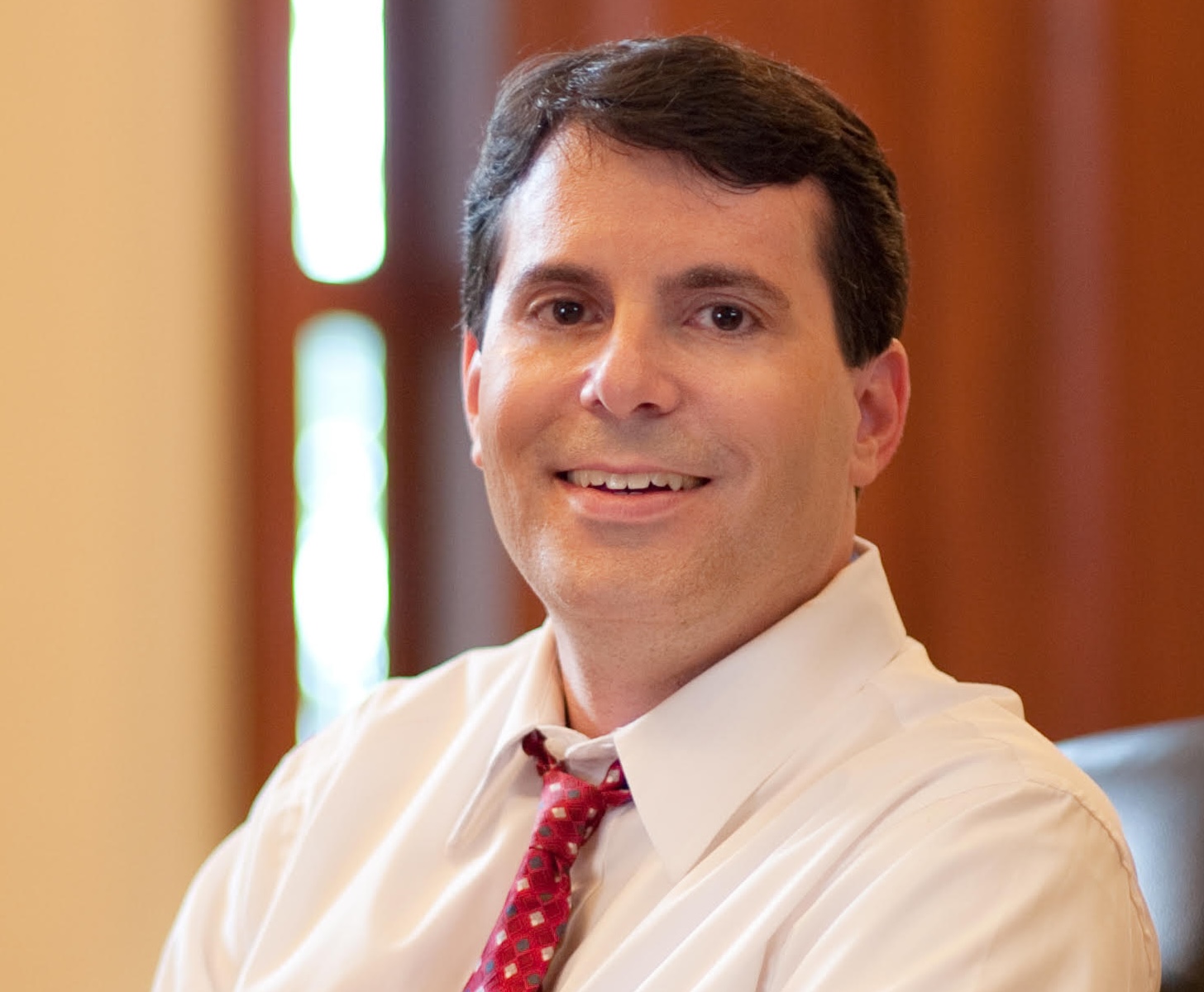
Pittman Law Firm, P.L. is led by founder David B. Pittman, Esq., who has practiced personal injury law from the firm’s Windsor Place office on Bonita Beach Road for more than thirty years, with a sustained focus on serious-injury auto and complex-liability cases. Bonita Springs is home for the firm, and most of its child-pedestrian, premises, and family-injury cases come from the residential corridors off Old 41 and Imperial Parkway, the school zones around the Bonita Beach Road corridor, and the surrounding Lee County neighborhoods.
David’s professional credentials include a JD from the University of South Carolina School of Law, an undergraduate degree from The Citadel, The Military College of South Carolina, an AV-Preeminent rating with Martindale-Hubbell, and membership in the Multi-Million Dollar Advocates Forum.
David has held a Florida real estate broker license for twenty-five years, a credential that shapes how the firm reads the property side of premises cases. The firm handles personal injury cases across Lee and Collier Counties, serving Fort Myers, Bonita Springs, Naples, Cape Coral, Estero, and Lehigh Acres, with offices at Windsor Place in Bonita Springs (main) and Fort Myers (satellite). Call 239-992-8259 for a free consultation.
Disclaimer: This article is for general information only and is not legal advice. Reading it does not create an attorney-client relationship with Pittman Law Firm, P.L. Every case is different, and outcomes depend on the facts. Past results do not guarantee future outcomes. This is attorney advertising.