

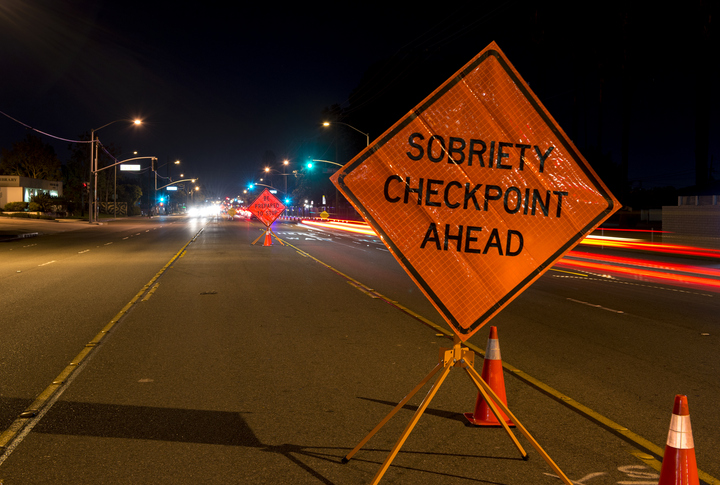
Why Fort Myers Drivers Still Take the DUI Risk When an Uber Costs About $15
Fifteen dollars is what an Uber home from McGregor Boulevard costs on a normal Friday night in Fort Myers. I have been through enough depositions, mediations, and kitchen-table conversations with families who lost someone to know that the price of a ride was never really the issue. The decision to drive after the third drink is not a math problem. What follows — for the passenger in the other car — is what brings people to our office.
Florida Statute §627.748 is what makes this post worth reading. When a rideshare driver is engaged with a rider, the law requires the company to carry a one-million-dollar liability policy. That changes the entire recovery picture for a passenger hurt in a DUI crash. Most people sitting in an Uber on Daniels Parkway have no idea that coverage exists. This is written for the passenger who was hurt, the family member trying to figure out what happened legally, and the Lee County resident still thinking about a close call from last weekend.
What Florida law actually says about rideshare passengers and DUI crashes
The first thing I tell a new rideshare-passenger client is that Florida has a dedicated rideshare insurance statute and it is more generous than most people realize.
Florida Statute §627.748 — the Transportation Network Company statute. When an Uber or Lyft driver is engaged with a rider, which in plain English means a fare has been accepted and the driver is either en route to the pickup or actively carrying the passenger, the rideshare company must keep a one million dollar liability policy in force. When the driver has the app on but has not accepted a ride yet, the required coverage drops to lower limits. The single biggest factor in a rideshare passenger case is therefore not whether the driver was negligent, but what the app said at the moment of impact.
Florida Statute §627.736 — personal injury protection. PIP follows the person, not just the vehicle. If you live in a Lee County household that carries auto insurance, your own PIP usually pays the first ten thousand dollars of medical bills and lost wages even when you were a passenger in an Uber. The fourteen-day rule still applies — you have to be seen by a qualified medical provider within fourteen days of the crash or those benefits disappear. I have watched good cases lose six figures of value because someone toughed it out for three weeks before going to a doctor.
Florida Statute §627.727 — uninsured motorist coverage. If the drunk driver who hit your Uber carried a thin bodily injury policy, or no policy at all, your own UM coverage can come in to fill the gap. In rideshare cases, the rideshare company’s UM policy and your household UM policy can in some situations stack on top of each other. That is why one of the first things our office does is collect every declarations page in the family, not just the one for the car you happened to be in.
Five rideshare-DUI scenarios from our Fort Myers practice — and how each one shifts liability
- The innocent rideshare passenger hit by a drunk driver. The Uber was doing nothing wrong. Another car ran a light at Cleveland Avenue, or drifted across I-75 near Alico Road, and the impact crushed the side the passenger was sitting on. The $1,000,000 layer under statute 627.748 is usually live, and we are stacking that against the at-fault driver’s policy and the passenger’s household UM.
- The drunk driver who was the rideshare driver. Less common, but it happens. The civil case still proceeds. The criminal DUI is a separate track that our office monitors but does not control.
- The drunk passenger who threw the rideshare into chaos. Sometimes the impaired person is in the back seat and grabs the wheel, opens the door at speed, or attacks the driver. These cases bend the negligence analysis in unexpected directions.
- The driver who refused service and the impaired person who drove anyway. Uber’s rules allow drivers to decline an obviously impaired rider. The person standing on the curb then makes the decision to drive home. When that drive ends in a Daniels Parkway collision, the bar or restaurant’s role becomes a question (Florida dram-shop law is narrow, but not nonexistent).
- The surge-pricing pivot. Late-night Fort Myers rides during peak demand — especially after Hertz Arena events or holiday weekends — can run two or three times the base rate. People look at the screen, feel insulted, and drive. The civil case after the crash treats them as an ordinary at-fault driver under Florida’s modified comparative negligence rule.
Three things that complicate a rideshare-DUI claim that look simple on paper
On paper, a passenger case looks simple. A drunk driver hit an Uber. The passenger has no fault. Pay the policy and go home. In practice, three things make these cases harder than the public assumes.
The app status fight. Whether the rideshare driver was engaged with a rider, available but unbooked, or fully offline at the moment of impact decides which insurance tower applies. Uber and Lyft both keep the data, and both respond to a preservation letter very differently depending on how it is worded. We send those letters in the first seventy-two hours.
PIP coordination. When a passenger has their own household PIP, the Uber has commercial coverage, and the at-fault driver has personal auto PIP, the medical providers can spend months billing the wrong carrier. Bills get rejected. Credit takes hits. A lawyer who handles this regularly steps in and forces the carriers into the right order.
Modified comparative negligence after March 2023. Florida changed its negligence rule in 2023. If a plaintiff is more than fifty percent at fault, they recover nothing. This rarely touches a rear-seat passenger but it absolutely touches the close-call cases, like the front-seat passenger who knew the driver had been drinking. We talk about this with every client.
One we handled that shows why the first week sets the outcome
One we worked recently was not a road case at all. It was a Fort Myers assisted-living facility off McGregor Boulevard, and the call came from an adult daughter who told me her mother had stopped speaking. The family had not noticed anything for the first week. Then, during a Sunday visit, the daughter helped her mother into a cardigan and saw bruising along both upper arms, in the rough shape of fingers. Mom would not say what happened. She had become afraid of the hallway outside her room.
We do not handle every nursing-home call. We took this one. I sent the preservation letters to the facility that same afternoon. Within two weeks the staff member responsible had been terminated, the family had moved their mother to a safer facility, and the carrier was on notice. The settlement was confidential, but it was structured to fund the resident’s care and her ongoing mental-health treatment for the rest of her life.
I include the story here because the same instincts apply to a DUI passenger case. Move fast. Lock down the evidence. Get the right physician involved before memories blur and bruises heal. The cases that pay full value are the cases where the first week was handled with discipline.
What to do if you were a rideshare passenger in a Fort Myers DUI crash
This is the action list I give clients in our first call. It is not generic. Each item is here because I have watched the absence of it cost someone money or health.
- Screenshot the Uber or Lyft app before you do anything else. Capture the trip page, the driver name, the route map, the fare, and the timestamp. If your phone dies at the hospital, that data is harder to retrieve than people assume.
- Get a full physical exam within fourteen days — not a quick urgent-care visit. The PIP fourteen-day rule under statute 627.736 is a hard deadline. I have used a head-to-toe physician evaluation, including imaging where it is warranted, with rideshare passengers who initially felt fine; soft-tissue and concussion symptoms often surface on day three or four.
- Save the clothes you were wearing. If there is glass, blood, or seat-belt abrasion on the fabric, do not wash it. Bag it. Photograph it. The defense always tries to minimize the impact; physical evidence ends that argument.
- Do not give a recorded statement to the at-fault driver’s carrier. They will call within forty-eight hours, friendly and fast. The recorded statement is for them, not for you. Politely decline until you have spoken with a lawyer.
- Pull every declarations page in your household. Yours, your spouse’s, anyone living at the same address. UM stacking under statute 627.727 only works if we know what is in the family.
- Write down the names of everyone in the bar or restaurant who served the drunk driver. If you saw them earlier in the evening, your memory of that detail is worth more than you think. Florida dram-shop law is narrow, but it exists.
Key Takeaways
- Florida statute 627.748 gives engaged rideshare passengers access to a $1,000,000 liability policy — the single most valuable piece of coverage in most Uber and Lyft cases.
- Personal injury protection under statute 627.736 follows the person, so your household PIP usually pays the first $10,000 of medical bills even when you were a passenger.
- Uninsured motorist coverage under statute 627.727 can stack across household and rideshare policies — collect every declarations page before you settle anything.
- The fourteen-day medical rule is a hard deadline. Miss it and you lose your PIP.
- Florida’s modified comparative negligence rule (more than fifty percent fault = zero recovery) rarely affects a rear-seat passenger but can affect a front-seat passenger who knew the driver had been drinking.
Frequently Asked Questions
Q1. If I am hurt as a rideshare passenger in a Fort Myers DUI crash, whose insurance pays first?
Florida statute 627.748 requires the rideshare company to carry a one million dollar liability policy while the driver is engaged with a rider, which means a fare is in progress or the driver is on the way to pick you up. That coverage usually sits on top of the at-fault driver’s personal auto policy if the drunk driver hit your Uber. You may also have personal injury protection under your own household auto policy under statute 627.736, even though you were a passenger, and any uninsured motorist coverage you carry can stack under statute 627.727.
Q2. Does Florida PIP follow me when I am riding as a passenger in someone else’s car or in a rideshare?
Yes. Under Florida statute 627.736, personal injury protection follows the person, not just the car. If you live in a household with an auto policy, your own PIP pays your first $10,000 of medical bills and lost wages, even if you were a passenger in an Uber, a Lyft, or a friend’s car. Get to a doctor within fourteen days or you lose those benefits.
Q3. How does uninsured motorist coverage work after a DUI crash in Lee County?
Florida statute 627.727 governs uninsured and underinsured motorist coverage. If the drunk driver who hit you carried only a small bodily injury policy, or none at all, your own UM coverage can step in. In rideshare situations the rideshare company’s UM coverage and your personal UM coverage can sometimes stack, which is why we ask for every declarations page in the household before we settle anything.
Q4. What if the Uber driver was the one who was impaired?
It happens. When the rideshare driver is the at-fault party and was engaged with a rider, the $1,000,000 statute 627.748 policy is in play, and the rideshare company’s separate contracts with the driver come into the picture. The criminal DUI case proceeds on its own track. Our office focuses on the civil recovery and the medical care.
Q5. How long do I have to bring a personal injury case after a Fort Myers DUI crash?
For Florida negligence claims arising on or after March 24, 2023, the statute of limitations is two years from the date of the crash. Wrongful death claims carry their own two-year window. The deadlines are unforgiving and evidence disappears quickly, so a call to a lawyer in the first week matters more than most people realize.
Talk to our family before you talk to the carrier
If you or someone you love was hurt as a rideshare passenger, or was hit by a drunk driver anywhere in Lee County — the Daniels Parkway corridor, Six Mile Cypress Parkway, Colonial Boulevard, Pine Island Road, or out on I-75 near Alico Road — I would consider it an honor to look at the case for you. Call 239-992-8259 for a free consultation. There is no fee unless we recover for you.
About the Author

Personal injury law has been David B. Pittman, Esq.’s focus in Fort Myers and across Lee County for more than thirty years. He founded Pittman Law Firm, P.L. and remains its lead attorney, with a sustained focus on rideshare-passenger and commercial-policy cases. The firm’s Fort Myers presence handles a steady stream of serious-injury work along the Daniels Parkway, Six Mile Cypress, McGregor Boulevard, Cleveland Avenue, and Summerlin Road corridors, and along I-75 between Estero and Bell Tower.
David is a Citadel grad (The Military College of South Carolina, undergraduate) and a University of South Carolina School of Law grad (JD). Martindale-Hubbell rates him AV-Preeminent; he belongs to the Multi-Million Dollar Advocates Forum.
David has held a Florida real estate broker license for twenty-five years, a credential that shapes how the firm reads the property side of premises cases. The firm handles personal injury cases across Lee and Collier Counties, serving Fort Myers, Bonita Springs, Naples, Cape Coral, Estero, and Lehigh Acres, with offices at Windsor Place in Bonita Springs (main) and Fort Myers (satellite). Call 239-992-8259 for a free consultation.
The information on this website is for general information purposes only. Nothing on this site should be taken as legal advice for any individual case or situation. This information is not intended to create, and receipt or viewing does not constitute, an attorney-client relationship with Pittman Law Firm, P.L. This is attorney advertising.