

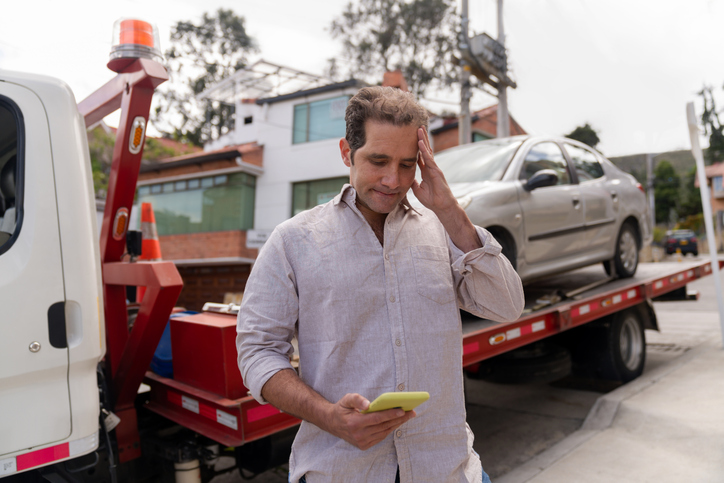
Why Your Florida Auto Accident Lawyer Should Help You with Your Car Damage Claim
A lot of injury firms in Florida draw a hard line around their files: the bodily injury claim is our business, the car damage is yours. From three decades of personal injury work in Lee and Collier Counties, I have never understood that approach. The property damage and injury sides of a crash live in the same file, feed the same adjuster, and tell the same story to a jury. Treating one as someone else’s problem is how a carrier ends up paying less for both.
I find the order of a client’s concerns telling. The new caller sometimes still at the scene on the shoulder of I-75 — the first thing out of their mouth is not the ER visit. It is the car. Where does it get towed. Who pays for the tow. Who pays for the rental. What about the dent in the door that the insurance company already wants to call “pre-existing.” We have come to treat the property damage side as our problem too, and I will explain what that actually looks like in practice.
What Florida law actually says about car damage after a crash
Three statutes do most of the work on the property damage side. They are worth knowing in plain English before any of the insurance back-and-forth begins.
§627.736, Florida Statutes — PIP, the no-fault medical coverage. Florida’s Personal Injury Protection statute pays up to $10,000 of medical bills and a portion of lost wages regardless of who caused the crash. In plain English, your own PIP carrier pays your initial medical care no matter whose fault the wreck was. PIP does not pay for the car. People mix that up all the time. The car damage side runs on a separate track.
§768.81, Florida Statutes — modified comparative negligence. After the 2023 tort reform, Florida switched to a modified comparative negligence rule. In plain English: if a jury finds you 51% or more at fault for a crash, you recover nothing. If you are 50% or less at fault, your recovery is reduced by your percentage of fault. That math applies to your car damage demand the same way it applies to a broken back. The full text is here.
§95.11(4)(a), Florida Statutes — the two-year statute of limitations. The 2023 reform also cut the negligence filing deadline from four years to two. For any crash on or after March 24, 2023, you have two years to file suit. Property damage on its own still carries a four-year window, but in practice the injury and property damage portions of the claim move together, so the two-year clock is the one that matters.
There is one more piece of law that is not in a statute book but in Florida case law: a third-party claimant in Florida can recover diminished value. That is the drop in resale price your vehicle suffers because the carfax now shows a reported collision, even after the body shop has made the panel gaps perfect again. The at-fault driver’s property damage liability coverage is on the hook for that loss. The carrier will not bring it up. The client has to.
What the property damage fight actually looks like in our office
Across thirty years of these cases, the property damage fight in our office tends to fall into one of five buckets:
- The total-loss valuation fight. The carrier offers a low book value on a totaled car. The client owes more on the loan than the offer covers. We push back with comparable listings from dealers in Lee and Collier Counties and force a higher actual cash value number.
- The diminished value claim. The car is repaired well, but its resale price has dropped by several thousand dollars because of the reported crash. We document the loss with an independent written appraisal and present it as part of the property damage demand.
- The rental car runaround. The carrier authorizes a rental for a few days and then tries to shut it off while the client is still without a vehicle. We hold the carrier to the loss-of-use obligation until the car is repaired or paid out.
- The disputed-fault property damage claim. The carrier denies the property damage piece on a fault theory, hoping the client gives up before the injury claim is on the table. We resolve fault once and resolve it for the whole file.
- The personal-property-inside-the-car claim. Tools, a laptop, a child car seat, prescription eyeglasses, a custom motorcycle helmet. The contents of the vehicle are part of the property damage claim. People forget to itemize it. The carrier does not remind them.
Why the car damage side is harder than it looks
On paper, a property damage claim looks mechanical. A repair estimate, a photograph, a check. In practice, the property damage side is where the carrier tests the client. A low first offer on the car frequently signals what the low first offer on the bodily injury claim is going to look like a month later. A client who accepts a five-figure undervaluation on a totaled truck without pushing back has told the adjuster something about how the rest of the file is going to go.
The other complication is timing. The body shop wants the car released so it can move the next vehicle in. The lienholder wants the loan paid off. The client wants a car to drive to work. Meanwhile the carrier is in no hurry. We have had cases on US-41 north of Bonita Springs where a client’s totaled vehicle sat in a storage yard for six weeks while the carrier slow-walked the valuation. Storage fees accrue. The client’s anxiety accrues. Neither one helps the case.
There is also a documentation problem. The same photographs, the same repair estimates, the same crash reports that prove the property damage claim are the ones we will need when the bodily injury claim is in front of a jury. If a client handles the property damage piece alone and settles it without preserving that record, the injury case is harder to prove later. Settlement releases on the property damage side sometimes contain language that looks narrow but, read carefully, can prejudice the bodily injury claim. Reading those releases is not a job to leave to the client at the kitchen table at nine o’clock at night.
A rear-end claim we handled in Fort Myers
A few years back a gentleman called our office after he had been rear-ended on a side road off Tamiami Trail in Fort Myers. He had been turned away by two of the larger advertising firms in town because his case was, in their words, “too small.” His injuries were persistent soft-tissue, the kind that do not show on a CT scan but make it impossible to lift a grandchild or sleep through the night. He came to us through a referral from two separate physicians who had treated him and knew how we work.
The big-firm rejection bothered me then and it bothers me now. I have practiced personal injury law for more than thirty years, and I can tell you there is no such thing as a small injury when it is happening to the person whose neck no longer turns the way it used to. We took the case.
The property damage side was settled early so he could get back to driving and back to work. The bodily injury side took longer. The carrier opened where carriers tend to open on these files, which is low. We did not chase the highest possible number. We chased the number that would pay his medical bills, replace the wages he had lost, and leave him with something to show for the year of his life the crash had taken. We got there. He walked out of our office feeling, in his words, like a person, not a file number. That is the only kind of result that has ever interested me.
What to do if your car damage claim is being slow-walked
If the property damage side of your case is dragging or the first offer feels low, a few practical steps from years of watching these files play out:
- Photograph the vehicle before it leaves the scene. All four corners, the interior, the dashboard mileage, anything personal inside the car. The body shop will photograph the damage, but the body shop’s photos serve the body shop. Yours serve you.
- Pull the crash report. Under §316.066, Florida Statutes, the investigating officer’s report becomes available through the Florida Highway Safety and Motor Vehicles portal usually within ten days. Pull it. Read it. If the narrative misstates what happened, we want to know now, not three months from now.
- Keep every email, letter, and voicemail from the adjuster. Not “most of them.” All of them. A pattern of delay is a pattern only if you can show it.
- Do not let the carrier total your car without a comparable-vehicle workup. Pull at least three dealer listings on the same year, make, model, and trim in Lee and Collier Counties. If the carrier’s number is below those listings, say so in writing.
- Save the personal items list. Car seat, sunglasses, prescription medications, tools, work uniforms, anything in the trunk. Write it down within forty-eight hours of the crash while you still remember.
- Ask a lawyer before you sign anything. Property damage releases sometimes contain language that reaches further than the property damage claim. A five-minute read by an attorney costs nothing and has saved more than one client from giving up the injury case in exchange for a check for the car.
Key Takeaways
- The property damage piece and the injury piece of a Florida crash run on separate tracks but live in the same file. Treating them separately is how a carrier ends up paying less for both.
- Florida PIP covers medical bills under §627.736, not vehicle damage. The car side is paid either through your own collision coverage or through the at-fault driver’s property damage liability.
- The 2023 tort reform shortened the negligence filing deadline to two years under §95.11(4)(a). Most car damage claims move on the same clock as the injury claim, so the two-year deadline drives the calendar.
- Diminished value is a recognized third-party claim in Florida and a documented loss the at-fault carrier will not pay unless it is presented and proven.
- Under §768.81, a fault finding of 51% or more bars recovery entirely after the 2023 reform. The percentage of fault assigned to you affects the car damage payout, not just the injury payout.
Frequently Asked Questions
Should my car accident lawyer also handle my property damage claim?
In our office, yes. I treat the property damage side of a crash as part of the same case file, not as a separate problem the client has to solve on their own. The rental car argument, the diminished value argument, the total-loss valuation fight — those issues sit on the same desk as the injury claim. Treating them as one file is also how we keep a property damage release from accidentally hurting the bodily injury case later.
What is Florida’s deadline to sue after a car wreck under the 2023 reform?
Two years from the date of the crash for most negligence claims under §95.11(4)(a), Florida Statutes. The old four-year clock applied only to crashes before March 24, 2023. Property damage on its own carries a four-year deadline, but in our experience the injury and property damage pieces move together, so the two-year deadline is what drives the calendar.
Does Florida’s no-fault PIP pay for my car damage?
No. PIP under §627.736 is medical and wage coverage up to $10,000, and it has nothing to do with the vehicle. Car damage is paid either through your own collision coverage, which carries a deductible, or through the at-fault driver’s property damage liability coverage. People mix these up almost weekly when they call our office.
What is diminished value and can I recover it in Florida?
Diminished value is the drop in a vehicle’s resale price after a documented crash, even once repairs are finished. The car looks fine, but Carfax now shows a reported collision and the trade-in number reflects that. Florida allows a third-party diminished value claim against the at-fault driver’s carrier. The carrier will not volunteer it. We document the loss with a written independent appraisal and present it as part of the property damage demand.
Will the percentage of fault assigned to me change what I recover for my car?
Yes. Under §768.81, Florida Statutes, after the 2023 reform a person found 51% or more at fault recovers nothing. Anyone 50% or less at fault recovers a reduced share. That math applies to the car damage portion of the claim the same way it applies to the bodily injury portion, which is why fault should be resolved once, for the whole file, not piecemeal.
Talk to Our Office
If you have been in a crash anywhere in Lee or Collier County and you are getting nowhere with the carrier on the car damage piece, the rental, or the diminished value claim, call our office. We have handled these cases from one end of the I-75 corridor to the other for more than thirty years. The consultation is free. There is no fee unless we recover for you. Call 239-992-8259 or reach us through our contact page.
About the Author

David B. Pittman, Esq. is the founder of Pittman Law Firm, P.L., and has practiced personal injury law across Southwest Florida for more than thirty years, with a sustained focus on serious-injury auto and complex-liability cases. The firm represents injured clients across Lee and Collier Counties — from the firm’s main office at Windsor Place on Bonita Beach Road through Fort Myers, Naples, Estero, Cape Coral, and Lehigh Acres.
David earned his undergraduate degree at The Citadel, The Military College of South Carolina, and his JD at the University of South Carolina School of Law. He is rated AV-Preeminent by Martindale-Hubbell and is a member of the Multi-Million Dollar Advocates Forum.
David has held a Florida real estate broker license for twenty-five years, a credential that shapes how the firm reads the property side of premises cases. The firm handles personal injury cases across Lee and Collier Counties, serving Fort Myers, Bonita Springs, Naples, Cape Coral, Estero, and Lehigh Acres, with offices at Windsor Place in Bonita Springs (main) and Fort Myers (satellite). Call 239-992-8259 for a free consultation.
Disclaimer: The information on this page is for general educational purposes only and is not legal advice for any individual matter. Reading this page does not create an attorney-client relationship with Pittman Law Firm, P.L. For advice on your situation, please contact our office directly. This is attorney advertising.