

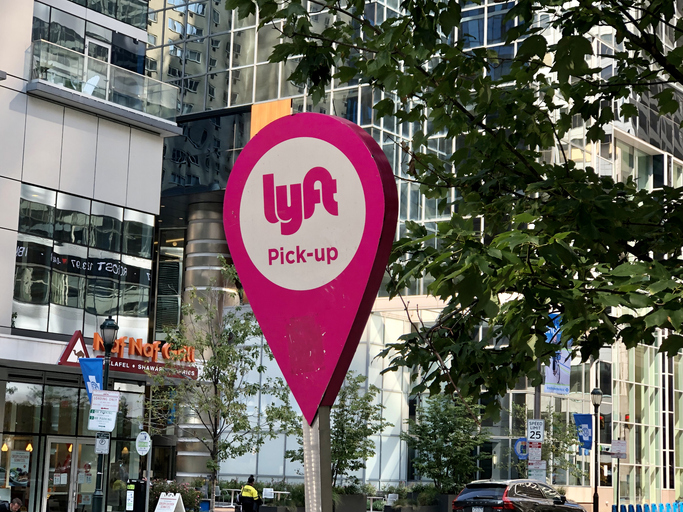
Are Naples Rideshare Accidents Rising? What Every Uber and Lyft User Should Know
Someone takes an Uber down US-41 from a hotel, the driver gets into a wreck, and the passenger wakes up the next morning with a stiff neck and a stack of questions about whose insurance is even supposed to pay. I have been answering those calls for a long time, and the answer is rarely the answer the passenger expects.
Naples rideshare volume has grown every year I have been in practice, and the call volume into our office has tracked it. Rear-end crashes on Pine Ridge Road, T-bones at Goodlette-Frank Road, illegal U-turns on Vanderbilt Beach Road by a driver staring at a phone screen. These cases share a pattern, and the legal mechanics underneath them are different enough from a normal car crash that I think every Uber and Lyft user in Collier County should understand the basics before they need them.
What Florida law actually says about rideshare crashes
Three Florida statutes do most of the work in a rideshare injury case. They are not optional reading if you want to know what your coverage looks like.
Florida Statute §627.748 is the Transportation Network Company statute. It sets the insurance floors that Uber, Lyft, and any other rideshare company has to maintain on their drivers. In plain English: when the driver has a paying passenger in the car or is on the way to pick one up, a $1 million liability policy covers the crash. When the driver has the app turned on but is still waiting for a ride request, that drops to $50,000 per person and $100,000 per crash for bodily injury, plus $25,000 for property damage. When the app is off, the rideshare company is out of the picture and you are looking at the driver’s personal auto policy only.
Florida Statute §627.736 is the PIP statute. PIP stands for Personal Injury Protection, and in Florida every passenger who lives in a household with an insured car has $10,000 of PIP that pays the first layer of medical bills no matter who was driving the rideshare car or who caused the crash. PIP pays 80 percent of medical bills and 60 percent of lost wages up to the $10,000 cap. The hard rule inside this statute is the 14-day requirement: if you do not see a doctor within 14 days of the crash, you forfeit your PIP for the entire claim.
Florida Statute §627.727 is the uninsured motorist statute, and it sometimes solves a problem the other two cannot. If the at-fault driver is somebody else on the road who hit the Uber and that driver has thin or no liability coverage, the rideshare company’s UM coverage may step in to fill the gap. Whether UM stacks on top of your own UM and how the limits coordinate is a fact-specific question, and it is one of the first things our office looks at on a serious rideshare claim.
Five Naples rideshare crash patterns from our case files
After three decades representing injured clients in Lee and Collier Counties, I can tell you the rideshare cases that walk into our office tend to fall into the same handful of fact patterns. None of them are the dramatic high-speed wreck. They are the everyday wrecks rideshare driving makes more likely.
- The illegal U-turn or rushed left. The driver is trying to get the passenger to the next stop, the GPS just recalculated, and the driver throws the wheel over to make a turn that should not have been attempted. These produce T-bones and broadside hits. The Vanderbilt Beach Road and Immokalee Road corridors generate a lot of them.
- The phone-down rear-end. Uber and Lyft both give drivers about fifteen seconds to accept a new request, and a driver who is staring at the screen at a red light on Pine Ridge Road is the one who rolls forward into the car ahead of them when traffic starts up.
- The unfamiliar-route weave. A lot of rideshare drivers in Naples are not from Naples. They are working a shift from Fort Myers or further north. The result is lane changes at the last second on US-41, missed exits on I-75, and crashes that happen because the driver is reading the screen instead of the road.
- The tired driver. Rideshare driving has no continuous-hours regulation. Twelve and fourteen-hour days are common, often stacked on a daytime job. We have had clients hit on Goodlette-Frank Road at midnight by a driver who admitted on the record that he had been awake for almost twenty hours.
- The third-party crash where the Uber is the victim. Sometimes our client is the rideshare passenger but the wreck is the other car’s fault. That changes whose policy pays first, and it is where §627.727 and the rideshare UM coverage do a lot of quiet work.
Four practical complications that make Naples rideshare cases hard to work
From the outside a rideshare crash looks like any other car wreck. It is not. A few practical complications come up in almost every case our office handles.
The first is the app-status fight. The rideshare insurer’s first question is always what the driver’s app was doing at the exact moment of the crash. The difference between Period 1 and Period 2 is the difference between $50,000 and $1 million. Drivers do not always remember exactly. The phone records, the app log, and the dispatch data have to be pulled and locked down before they get overwritten. We have had cases where the app data was the entire claim.
The second is the independent-contractor wall. Uber and Lyft both take the position that their drivers are independent contractors, not employees, which means you are claiming against the policy rather than suing the company directly. That changes how the claim is positioned and which arguments work.
The third is the medical-treatment lag. Naples passengers are often tourists or seasonal residents. They get hit, they fly home, and they try to start medical care two or three weeks later from out of state. By then PIP is gone and the local doctor who could have documented the injury cleanly is not in the file. We push hard to get clients into treatment in the first ten days, even if it means a same-day appointment.
The fourth is the soft-tissue undervaluation. Whiplash and disc protrusions do not look serious on a Geico printout. They are serious. A C5-C6 disc that is pressing on the cord at thirty-five years old is going to need pain management for the rest of that person’s life, and the insurance adjuster’s opening offer never reflects that.
One Naples rideshare case worth noting
A case I think about often involved a client who was a passenger in an Uber heading east on Vanderbilt Beach Road in Naples. The rideshare driver decided to make a U-turn that should not have been made there. He swung the car across the median and a vehicle coming the other direction caught the rear quarter panel and pushed the Uber sideways into the lane. Our client took the impact through the passenger door.
At the scene she felt shaken but said she could walk. By the next morning her neck was locked up and the headaches had started. We got her in front of an orthopedist within the first week. The MRI came back with a C5-C6 disc protrusion pressing on the spinal cord and what the radiologist called whiplash-associated disorder with chronic neck pain features. Treatment ran several months: chiropractic care first, then a series of medial branch blocks once it was clear conservative care alone was not going to settle the pain down.
The driver had a paying passenger in the car at the moment of the crash, which put the rideshare company’s $1 million liability policy in play under §627.748. The adjuster’s first position was that the injury was minor and short-term, the way these openings always go. The MRI, the pain management records, and a clear timeline of treatment built a different picture. The case resolved through the rideshare company’s $1 million policy.
I tell that story because the legal mechanics were not exotic. What made the difference was getting our client into a doctor inside the 14-day window, locking down the app status, and refusing the carrier’s early framing of the injury.
What to do if you are in a Naples rideshare crash
If you are reading this after the fact, here is what I would have told you on the day of the wreck. None of it is generic. Every item on this list is something I have watched matter in a real case.
- Before you leave the scene, screenshot your trip in the app. The trip page shows the driver name, license plate, vehicle, route, and the timestamp. Once you cancel the trip or get out of the car, that page becomes harder to retrieve. I have had clients whose entire case turned on a screenshot they took before they got into the ambulance.
- Report through the in-app safety channel. Uber has a “Report a Crash” entry under the blue shield. Lyft has a similar reporting flow from ride history. That report creates a timestamped record on the rideshare company’s side and starts their claim process.
- Get a Naples crash report number from whichever agency responded. Naples Police, Collier County Sheriff, or FHP. The case number on the report is what the insurance carriers index everything to.
- See a doctor inside 14 days. Same point as above, but it is the one rule that costs people the most money when they miss it. If you are flying home, see a doctor at home, and make sure the visit notes connect the symptoms back to the rideshare crash by date.
- Do not give a recorded statement to any insurer without talking to a lawyer first. The rideshare carrier will call within 24 hours and ask for a recorded statement. You are not required to give one. Most of the time you should not.
- Keep the rideshare receipt and your trip history. The receipt confirms you were a paying passenger, which sets up the $1 million policy under the TNC statute. Tourists who delete the app to save phone space are also deleting their proof. Take a screenshot.
Key Takeaways
- The rideshare company’s $1 million liability policy under §627.748 covers the crash only when the driver was carrying a paying passenger or was on the way to one. App-on-but-no-fare drops the coverage to $50,000 per person.
- Florida’s 14-day rule under §627.736 applies to passengers too. Miss the window, lose your PIP for the whole claim.
- The 2023 statute change cut Florida’s personal injury filing deadline from four years to two. Wrongful death from a rideshare crash is also a two-year window.
- App status at the exact moment of the crash is often the whole case. Lock down the rideshare data fast, before it gets overwritten.
- The carrier’s first offer on a whiplash or disc injury almost never reflects what the medical record actually shows. Treat first, negotiate second.
Frequently Asked Questions
Q1. Whose insurance pays if I am hurt as a passenger in an Uber or Lyft in Naples?
If the driver had a paying passenger in the car or was on the way to pick you up, the rideshare company’s $1 million liability policy is in play under Florida’s TNC statute, §627.748. If the app was on but the driver was just waiting for a ride request, you fall back to a smaller policy with $50,000 per person and $100,000 per crash. If the app was off, only the driver’s personal auto policy applies. Your own household auto PIP also pays the first layer of medical bills under §627.736 regardless of who was driving.
Q2. Do I still have to see a doctor within 14 days if I was a passenger and not the driver?
Yes. Florida’s 14-day rule under §627.736 applies to anyone using PIP benefits, including passengers. If you skip that window, you lose your $10,000 of PIP coverage for the rest of the claim. Go to an emergency room, an urgent care, or a primary care doctor within 14 days even if you think you are only sore. Neck and back injuries from rear-end and T-bone crashes often surface days later.
Q3. Can I sue Uber or Lyft directly after a Naples crash?
In most situations the claim goes against the rideshare company’s insurance policy, not against Uber or Lyft as a corporate defendant, because Florida law treats their drivers as independent contractors. The practical effect is similar though. You make a claim against the $1 million liability policy the rideshare company is required to carry under §627.748, and that policy responds the same way any commercial liability policy would.
Q4. What if I was in a car that was hit by an Uber driver in Naples?
You have the same access to the rideshare company’s liability policy as a passenger would, as long as the Uber driver was logged in and had a paying fare or was en route to one. If the Uber driver had the app off at the moment of impact, you are limited to the driver’s personal policy. Either way, get the trip details from the rideshare driver before leaving the scene and report it through the rideshare company’s safety channel right away.
Q5. How long do I have to file a rideshare injury lawsuit in Florida?
Two years from the date of the crash for any motor vehicle negligence case in Florida, which the 2023 statute change brought down from four. That deadline is short, and it runs whether or not the insurance company is still talking to you. Wrongful death claims arising from a rideshare crash also fall under a two-year window. Call our office well before the two-year mark so we have time to investigate properly.
Talk to our firm about your Naples rideshare case
If you were a passenger, a driver of another car, or a pedestrian hit by an Uber or Lyft anywhere in Collier County, call our office. There is no charge to talk about your case, and we work these claims on contingency, which means there is no fee unless we recover for you.
Pittman Law Firm, P.L. — 239-992-8259. Main office at 3525 Bonita Beach Rd, Suite 107, Bonita Springs, FL 34134. Satellite office in Fort Myers. We handle rideshare and commercial-coverage cases throughout Naples and the rest of Southwest Florida.
About the Author

David B. Pittman, Esq. has spent more than thirty years on personal injury cases in Naples and across Collier County, with a sustained focus on rideshare-passenger and commercial-policy cases. He founded Pittman Law Firm, P.L. and continues to lead it today. Naples cases run heaviest along US-41, Immokalee Road, Pine Ridge Road, and Vanderbilt Beach Road, and through the older commercial and resort properties along Gulf Shore Boulevard and 5th Avenue South.
David earned an undergraduate degree at The Citadel, The Military College of South Carolina, and a JD at the University of South Carolina School of Law. He carries AV-Preeminent status with Martindale-Hubbell and is a member of the Multi-Million Dollar Advocates Forum.
David has held a Florida real estate broker license for twenty-five years, a credential that shapes how the firm reads the property side of premises cases. The firm handles personal injury cases across Lee and Collier Counties, serving Fort Myers, Bonita Springs, Naples, Cape Coral, Estero, and Lehigh Acres, with offices at Windsor Place in Bonita Springs (main) and Fort Myers (satellite). Call 239-992-8259 for a free consultation.
The information on this website is for general information purposes only. Nothing on this site should be taken as legal advice for any individual case or situation. This information is not intended to create, and receipt or viewing does not constitute, an attorney-client relationship with Pittman Law Firm, P.L. This page may be considered attorney advertising under the rules of The Florida Bar.