

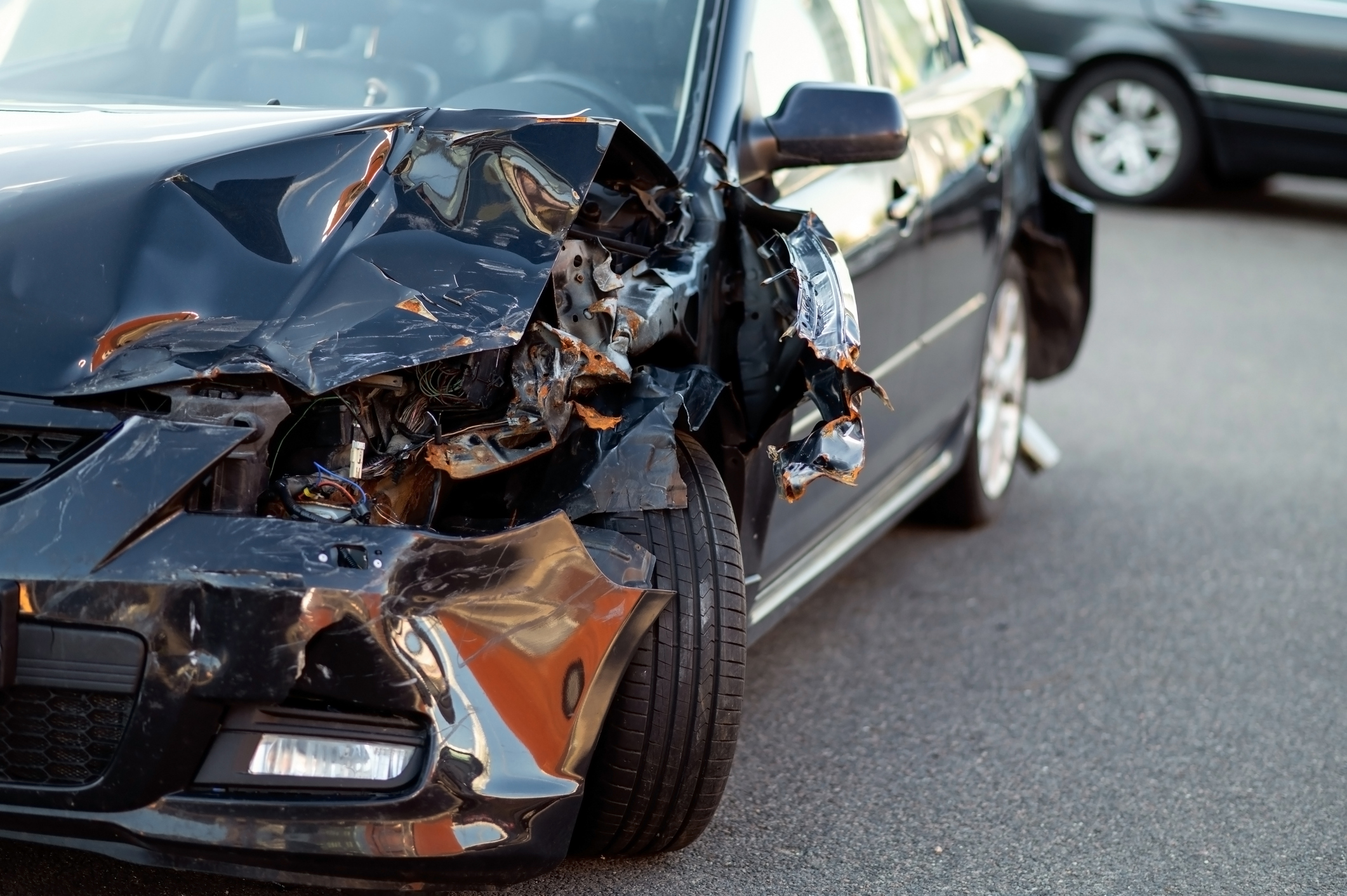
Modified Comparative Negligence: What Fort Myers Drivers Must Know After a Crash
Fifty-one percent. That is the number that ends a Florida car accident claim entirely under the 2023 tort reform. If a jury or adjuster decides you were responsible for more than half of what caused the crash, you recover nothing — not one dollar, regardless of how badly you were hurt. I have watched that number drive insurance strategy in our Fort Myers intake calls for three years, and I want to be direct with people who are afraid it applies to them: most callers are nowhere near that cliff. Fear of the 50% rule is talking real injury victims out of calling a lawyer, and that is the worst outcome of a statute that is already harsh enough.
I want to walk through what the law actually says, the kinds of fault arguments we see Fort Myers carriers run, the practical reasons these cases are harder than they look on paper, a real case from our files, and what to do in the first two weeks after a crash so you are not the one handing the other side an oversized share of the blame.
What Florida law actually says about modified comparative negligence
The statute is §768.81, Florida Statutes. In March 2023, Florida switched from “pure” comparative fault, where a 99-percent-at-fault driver could still recover one percent of their damages, to “modified” comparative fault. Plain English: if a jury or an adjuster decides you were more than 50 percent responsible for your own injuries, you recover nothing. At 50 percent or below, you still recover, but your damages get reduced by whatever percentage of fault is on you. A $200,000 case with 25 percent fault on the injured driver pays $150,000. The same case with 51 percent fault on the injured driver pays zero. That is the cliff, and yes, it is real.
Two other 2023 changes hit Fort Myers drivers just as hard. §95.11(4)(a) cut the negligence statute of limitations from four years to two. If your crash happened on or after March 24, 2023, you have 24 months from the date of the wreck to file suit. After that the courthouse door is closed. I have had three calls in the past year from people whose old four-year clock had run out under the new law and there was nothing I could do for them. Two years sounds like a lot when you are on a backboard at Lee Memorial. It is not.
The third piece is the no-fault PIP rule under §627.736. Florida is still a $10,000 no-fault state for initial medical bills, but you have 14 days from the crash to start treatment, or you lose that PIP benefit entirely. The 14-day rule and the 50-percent rule have nothing to do with each other on paper, but in real cases they collide constantly: a delayed ER visit shows up later as “evidence” that you were not really hurt in the wreck, which becomes a fault argument, which can be the thing that pushes you over the line.
One more statute worth knowing: §627.727, the uninsured motorist provision. After a hit-and-run, or a crash with an underinsured driver, UM coverage on your own policy is often the only meaningful source of money. I will come back to that one when I talk about the case from our practice below.
Fault patterns we see most often after Fort Myers crashes
For thirty years I have been representing injured drivers in Lee and Collier Counties, and the patterns repeat. Here are the ones where the 50-percent rule shows up most often after a 2023-or-later crash:
- The “you should have braked sooner” rear-end. Even when our client is the one rear-ended, the carrier for the at-fault driver will look for any reason to assign fault, dim brake lights, a sudden stop, a phone in the cupholder. None of those things should add up to majority fault, but each one adds a few percentage points if you let them.
- Left turns at Colonial Boulevard and similar busy arterials. Florida assumes the turning driver is at fault. If our client is the one turning, the fight is not whether there is some fault, but whether the through driver was speeding badly enough to share it.
- Multi-vehicle pile-ups on I-75 near Alico Road. When three or four cars get involved, every carrier has an incentive to point at every other driver. We have seen the same crash produce three different fault assessments from three different adjusters in the same week.
- Parking-lot and shopping-center fender benders. No police report, no traffic-control devices, and two drivers each insisting the other backed out first. These are the cases where witness statements gathered in the first hour decide everything.
- Hit-and-run on Cleveland Avenue and US-41. When the other driver flees, the fault assignment can stay on our client by default unless we work the case hard against the UM carrier, which is its own insurance company, fighting the same claim it sells you as protection.
- Seatbelt and “comparative” injury arguments. Defense lawyers now run a separate theory: even if you did not cause the wreck, you made your injuries worse, by not wearing a belt, by not adjusting a headrest, by some choice that supposedly bumps your share of fault up. Under the old rule this trimmed a settlement. Under the new rule it can end one.
Why the 50-percent math is harder in practice than it looks on paper
On paper, a comparative-fault case is arithmetic. In practice, three things make Fort Myers crash cases harder than the math suggests.
First, the percentage is not handed down from on high. It is built. Adjusters and defense lawyers start with whatever the crash report says under §316.066, and then they layer on every piece of evidence they can find that pushes the percentage in their direction. By the time the case is in negotiation, the carrier has often quietly settled on a fault number that has nothing to do with the deputy’s diagram and everything to do with what they think a jury would tolerate. If we are not building our own counter-record from week one, we are letting them set the floor.
Second, the same evidence that proves the other driver caused the wreck also has to survive a “but you should have seen it coming” attack. Dashcam video that clearly shows a red-light runner can still get used by defense counsel to argue the injured driver had time to brake. Phone records can prove the other driver was texting, and can also be subpoenaed against our client. I tell people in the first call: once a case opens, both sides’ lives go under a microscope, so the version of events we tell from day one needs to be the version that holds up at trial.
Third, in a state with a 14-day medical rule and a two-year filing deadline, time is the single most reliable way an injured driver loses. Most cases we decline at intake are not declined because the facts are bad. They are declined because too much time has gone by and the medical record no longer connects the injury to the crash in a way a jury would believe.
A claim we worked in Fort Myers
I think often about a case we handled on US-41 in Fort Myers. Our client was stopped in traffic in the southbound lanes when a vehicle behind her failed to slow down and drove straight into the back of her car at what witnesses estimated was around forty miles an hour. The driver who hit her did not stop. By the time deputies arrived, the other vehicle was gone, and the only solid information was a partial plate and a description from a witness in the next lane.
Our client went to the emergency room that night with neck pain that she initially thought was minor. Over the following weeks the pain did not resolve. It turned into a chronic cervical strain that took months of physical therapy and a course of pain management to bring under control. She missed work, she could not turn her head far enough to back her car out safely for a while, and she spent most of the next year as a patient instead of as the person she was before the crash.
Because the other driver fled, there was no third-party liability carrier to pursue. The entire case turned on her own uninsured motorist coverage under §627.727. The carrier initially valued the case at a small fraction of her medical bills. We documented the EMC under the PIP statute, kept her treatment continuous so no gap could be argued against her, and made it clear we were prepared to take the carrier to trial on its own policy if we had to. In the end, the carrier paid the full available policy limits.
What makes that case worth telling is not the dollar figure. It is that the other driver was never identified. Without the UM coverage on her own policy and a clean medical record built in the first weeks, a hit-and-run case like that one becomes a fault fight with no opponent in the room, and the carrier is happy to assign the missing driver one hundred percent of the fault and then pay the smallest number it can defend. The work was in not letting it.
What to do if you have just been in a crash in Fort Myers
This is the action list I give people who call our office in the first 48 hours. It is the same list whether the wreck happened on Summerlin Road, McGregor Boulevard, Six Mile Cypress Parkway, Pine Island Road, or out on I-75. I will not waste your time on the obvious. These are the steps that matter for the 50-percent question specifically.
- Call law enforcement to the scene and stay until they finish the report. Under §316.066, the deputy or officer writes the foundational document the entire fault picture is built on. If you leave before they do, you may not get a chance to point out the skid marks or the unbroken brake line that hurts the other driver’s story.
- Photograph the scene before vehicles move, if it is safe. Tow trucks at Cleveland Avenue and Colonial Boulevard work fast. The positioning of the cars at impact is sometimes the single best piece of physical evidence in the case, and once they are off the road it is gone.
- Get witness phone numbers, not just names. A name on a crash report without a phone number is, in our experience, a dead lead within a week. Three out of four bystander witnesses we eventually rely on came from our own client’s phone in the first hour.
- Go to the ER or an urgent care that night, even if you “feel okay.” The 14-day PIP window under §627.736 is the floor, not the goal. The goal is a same-day record. Soft-tissue and cervical injuries often present worst on day two or three. I have used this approach with rear-end clients and noticed that the ones who went in the same night almost always have an easier time with the carrier later, regardless of how serious the injury turned out to be.
- Do not give the other carrier a recorded statement. Their adjuster will call you, often the next morning, and ask you to “just walk through what happened.” Polite, professional, scripted. That recording is the first piece of evidence used to push fault back onto you. There is no upside for you in giving it.
- Keep treatment continuous. Gaps of more than a few weeks in physical therapy or follow-up visits get used as proof that the injury must have come from something other than the crash. If your therapist has an opening Tuesday, take Tuesday.
- Save everything in one folder. Repair estimates, ER discharge papers, every receipt, photos of bruising as it changes color over the first week. The boring documentation is what holds the percentage in the right place.
- Call a Fort Myers personal injury lawyer before you give a statement, accept any settlement check, or sign anything from any carrier. Most of the worst-outcome cases I see started with a signature on a release someone gave the client in the first two weeks, before they understood what they were giving away.
Key Takeaways
- Florida’s 2023 reform under §768.81 means a Fort Myers driver who is found more than 50 percent at fault recovers nothing — but most injured drivers are not over that line until the carrier puts them there.
- The negligence filing deadline under §95.11(4)(a) is now two years, not four. The clock starts on the date of the crash.
- The 14-day PIP rule under §627.736 is the practical first deadline; missing it usually costs both medical coverage and the fault argument that comes with a clean medical record.
- Fault percentages are built from evidence, not assigned by the deputy. Photos, named witnesses, and same-day medical care are the three pieces that most often hold the line.
- In hit-and-run and underinsured-driver cases, uninsured motorist coverage under §627.727 is often the only meaningful recovery source, and the UM carrier will treat the claim like an adversary even though it is your own insurer.
Frequently Asked Questions
Q1: If I am partially at fault for my Fort Myers crash, can I still recover anything?
Yes, as long as a jury or adjuster puts your share of the blame at 50 percent or less. Your damages then get reduced by whatever percentage of fault is assigned to you. If you cross 50 percent, Florida law cuts you off entirely under §768.81. The line is sharp, but most callers who think they are over it are not.
Q2: How long do I have to file a car accident lawsuit in Florida after the 2023 reform?
Two years from the date of the crash for most negligence claims under §95.11(4)(a). The old four-year window applied only to crashes that happened before March 24, 2023. We treat the two-year clock as a hard wall and start case work well before it gets close.
Q3: Who decides what percentage of fault gets assigned to me?
In a settlement, the insurance carriers do, based on the crash report, photos, witness statements, and any reconstruction work. If the case goes to trial, the jury decides. Both sides build their fault story around the same evidence, which is why early documentation matters so much.
Q4: Does it matter whether I went to the ER right away?
Yes, for two reasons. First, under §627.736 you have 14 days to seek initial medical care or you lose your $10,000 PIP benefit. Second, a gap in treatment is the first thing an adjuster will use to argue that some other event caused your injury, which can push your fault share upward.
Q5: Can the other driver’s insurer argue I was more than 50 percent at fault just to avoid paying?
They can and they do. After the 2023 reform, defense counsel and adjusters know that pushing your fault share over 50 percent ends the case. That is why we build a fault record from day one, not after the carrier sends its first lowball offer.
Talk to our family before you talk to theirs
If you or someone in your family has been in a crash in Fort Myers, Cape Coral, Bonita Springs, Naples, Estero, or Lehigh Acres, the first call should not be to the other driver’s insurer. It should be to a lawyer who has handled this exact fight for thirty years. Call 239-992-8259 for a free consultation. We work on contingency, which means there is no fee unless we recover for you, and we treat every case as if we were handling it for our own family.
About the Author

Personal injury is the focus of David B. Pittman, Esq.’s practice in Fort Myers and across Lee County, and has been since he founded Pittman Law Firm, P.L. more than three decades ago, with a sustained focus on serious-injury auto and complex-liability cases. The firm’s Fort Myers presence handles a steady stream of serious-injury work along the Daniels Parkway, Six Mile Cypress, McGregor Boulevard, Cleveland Avenue, and Summerlin Road corridors, and along I-75 between Estero and Bell Tower.
Two South Carolina institutions shaped David’s path: The Citadel, The Military College of South Carolina for undergraduate, and the University of South Carolina School of Law for his JD. He is AV-Preeminent at Martindale-Hubbell and a Multi-Million Dollar Advocates Forum member.
David has held a Florida real estate broker license for twenty-five years, a credential that shapes how the firm reads the property side of premises cases. The firm handles personal injury cases across Lee and Collier Counties, serving Fort Myers, Bonita Springs, Naples, Cape Coral, Estero, and Lehigh Acres, with offices at Windsor Place in Bonita Springs (main) and Fort Myers (satellite). Call 239-992-8259 for a free consultation.
Attorney advertising. The content of this article is for general information only and is not legal advice for any particular situation. Reading this article does not create an attorney-client relationship with Pittman Law Firm, P.L. Prior results do not guarantee a similar outcome.