

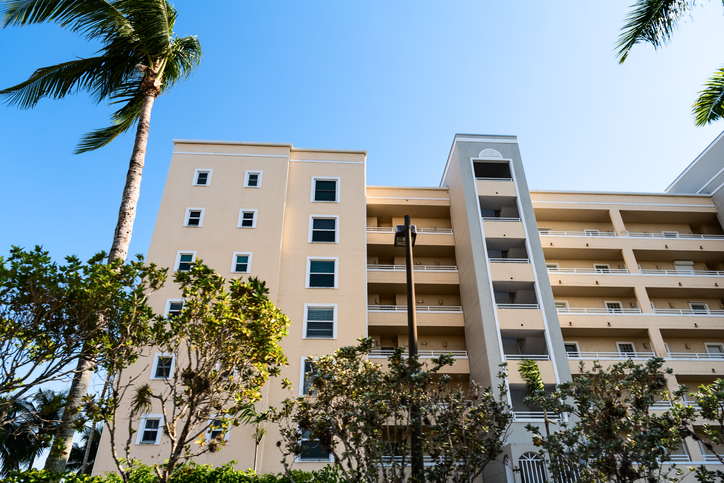
If you get hurt at an Airbnb, VRBO, or short-term vacation rental in Bonita Springs, legal responsibility almost always falls on the property owner, the local property management company, or both. Because you paid to stay there, Florida premises liability law treats you as a “business invitee.” That gives you the highest level of legal protection in the state,meaning the owner and manager have an active duty to inspect the house, fix structural hazards, and warn you about hidden dangers before you walk through the door.
When families rent a stilt house along Hickory Boulevard on Little Hickory Island, a seasonal home off Imperial Shores Boulevard, or a golf villa near Spanish Wells, they assume the property is safe. What most guests don’t realize is that thousands of Southwest Florida vacation rentals are owned by out-of-state investment groups trying to squeeze every dollar out of peak season.
I have practiced personal injury law here in Southwest Florida for over 30 years, and I have also held an active Florida Real Estate Broker license for more than 25 years. When a vacation rental accident comes into our office, I look at it through both lenses. I look at what the injury has done to your life as a trial lawyer, and I look at the deed, the LLC structure, the management contract, and the property maintenance history as someone who has spent a quarter-century around Florida real estate.
Key Takeaways for Injured Vacation Rental Guests
- You Have the Strongest Protection Under Florida Law: Paying guests are “business invitees.” An owner cannot brush off your injury by claiming they didn’t know a step was rotten if a routine inspection between guests would have caught it.
- The Booking App Is Rarely Who You Sue: Airbnb and VRBO write their user agreements to shield the tech companies from direct lawsuits. However, both platforms carry $1 million liability policies (like Airbnb’s AirCover) that our firm goes after directly.
- Standard Homeowners Insurance Will Likely Deny the Claim: Regular Florida homeowners policies almost always walk away from rental injuries using a “business pursuits exclusion.” Finding the commercial short-term rental policy and the property manager’s insurance is half the battle.
- Four-Hour Turnovers Create Dangerous Shortcuts: Cleaning crews rushing between an 11:00 AM checkout and a 4:00 PM check-in are paid to strip beds and bleach counters—not check balcony bolts or pool deck drainage.
- Strict Florida Deadlines Apply: Under Florida Statutes § 95.11, you have just two years from the day you were hurt to file a negligence lawsuit. Under Florida’s 2023 tort reform law (§ 768.81), if an insurance company convinces a jury you were more than 50% at fault for your own fall, you get nothing.
Why Are Short-Term Rentals in Bonita Springs So Prone to Accidents?
If you stay at a major hotel near Coconut Point or off Bonita Beach Road, that building has a full-time maintenance crew,daily pool logs, commercial building inspections, and a risk manager. A standalone vacation rental in a residential Bonita Springs neighborhood has none of that. Even though Florida Statutes § 509.242(1)(c) classifies a short-term vacation rental as a “transient public lodging establishment,” most of these properties are just older residential houses converted into mini-hotels.
Southwest Florida weather is brutal on houses. Blistering sun, daily summer downpours, and the salt air rolling off the Gulf of Mexico and Estero Bay eat away at metal brackets, rot wood framing from the inside out, and grow slick algae in shaded corners of a lanai. When an investor sitting in Chicago or New York relies entirely on a local cleaning crew to tell them if the house is safe, serious hazards get ignored until a guest ends up in the emergency room at NCH Bonita Baker Hospital or Lee Memorial.
What Property Defects Cause the Most Vacation Rental Injuries?
In our office on Bonita Beach Road, we see the exact same maintenance failures hurt vacationers year after year. When we investigate a premises liability claim, we usually find one of four problems.
1. Broken Stairs and Rotten Exterior Steps
Elevated coastal homes near Bonita Beach and older stilt homes along the Imperial River depend on long wooden or concrete staircases. Salt air rusts out galvanized nails and lag bolts, while afternoon rain rots wooden stringers hidden underneath a fresh coat of rental-grade paint. We also see indoor and outdoor steps that violate the Florida Building Code because the step heights are uneven, the handrails stop short, or the outdoor floodlights are burned out when guests carry suitcases up in the dark. When a stair tread snaps under your foot, you have zero time to brace yourself, leading to bad ankle fractures, torn knee ligaments, and herniated back discs.
2. Slippery Pool Decks and Wet Lanai Tile
Almost every single-family rental in Lee and Collier Counties advertises a private pool and screened lanai. Out-of-state owners love putting down smooth ceramic tile, painted concrete, or unsealed travertine around the pool because it looks sharp in online listing photos. Once that stone gets wet—or builds up a thin film of mildew in the shade of the screen cage—it turns into a skating rink.
When an owner fails to put down non-skid grit, lets a broken pool pump puddle water across the walkway, or ignores the pool barrier rules under the Residential Swimming Pool Safety Act (Florida Statutes Chapter 515), a hard slip and fall accident on concrete pavers can leave a guest with a fractured hip, broken wrist, or traumatic brain injury.
3. Loose Balcony Railings and Rotting Docks
Second-story sundecks, pool cages, and backyard boat docks take a beating every hurricane season. A wooden handrail or aluminum balcony guard might look fine from across the room, only to pull right out of the wall the moment someone leans on it to look at the water. Florida building codes require guardrails to hold up against heavy push forces. When property managers never bother to grab the railings and shake them between renters, a rusted screw can turn a relaxing evening into a 12-foot fall onto hard ground.
4. Cheap, Collapsing, or Unanchored Furniture
To furnish a four-bedroom rental as cheaply as possible, many investors buy bargain flat-pack furniture online or pick up used patio chairs that have baked in the Florida heat for ten years. That furniture was never built to handle a new group of eight tourists every single week. We see claims where wooden dining chairs snap underneath guests, glass patio tables shatter because they weren’t made with tempered safety glass, poorly bolted bunk beds collapse onto kids, and heavy dressers tip over because nobody anchored them to the wall studs.
How Do Ownership, Property Management, and Insurance Affect Your Claim?
When you get hit by a careless driver on US-41 or I-75, figuring out who to sue and which insurance company has to pay is pretty direct. Vacation rental cases are a shell game. Before our firm sends out a demand letter, we dig into county property records and corporate filings to find out who actually controls the house and where the insurance coverage is hiding.
Tracing the Real Property Owner
From my 25+ years as a Florida Real Estate Broker, I can tell you that the smiling “Superhost” on the Airbnb app is rarely the legal owner of the property. When we pull the deed from the Lee County Property Appraiser and trace it through the Florida Division of Corporations (Sunbiz), we usually find a single-purpose Limited Liability Company (LLC) set up to shield an investor’s personal wealth.
If you were staying in a condo community or gated resort, the property lines get even trickier. Say you trip over a cracked concrete sidewalk or slip on an outside stairwell just outside the condo door. Does that stairwell belong to the unit owner’s LLC, or is it a “common element” controlled by the Condominium Association (COA) or Homeowners Association (HOA)? We pull the recorded condo declarations and plat maps right away so we know exactly which entity had the legal job of fixing that concrete.
Stopping the Blame Game Between Owners and Property Managers
Once we track down the owner, the finger-pointing starts. Out-of-state owners almost always pay a local Southwest Florida property management company 20% to 30% of their rental income to handle bookings, cleaners, and repairs.
When a guest falls down a dark stairwell with a broken handrail, the owner will point at the property manager and say, “I pay them good money to inspect the house after every guest; they never told me the rail was loose.” The property manager will turn around and point right back at the owner: “Our management contract says we can’t spend more than $150 on a repair without the owner’s okay, and we emailed the owner three months ago saying the stairs were rotting and they refused to pay for a carpenter.”
We don’t let them play keep-away with your medical bills. We demand the full Property Management Agreement, the internal maintenance repair tickets, text messages with the local handyman, and the cleaning crew’s turnover logs. Under Florida law, both the owner and the management company can share the blame, which often allows us to go after both of their insurance policies.
Finding the Right Insurance Policy
The biggest trap in a vacation rental injury case is how insurance companies handle commercial guests.
- The Homeowners Insurance Exclusion: Some amateur hosts try to run a full-time Airbnb while keeping a regular residential homeowners insurance policy on the house. The second you file an injury claim, that homeowners insurance company will point to the “business pursuits” exclusion in the fine print and deny coverage flat-out because the owner was running a business.
- Commercial Vacation Rental Policies: Smart investors carry specialized short-term rental insurance (through commercial carriers like Proper Insurance or surplus lines insurers) written specifically for paying guests.
- Property Manager CGL Policies: Professional management companies carry their own Commercial General Liability (CGL) policies, usually with $1 million to $2 million in limits.
- Airbnb AirCover & VRBO Liability Insurance: Both major booking platforms carry $1,000,000 in commercial liability coverage that steps in when a guest gets hurt during an active stay. While that sounds reassuring, these policies are handled by tough third-party corporate claims adjusters (like Crawford & Company or Generali) whose job is to argue that the hazard was “open and obvious” or that you weren’t watching where you were walking.
What Should You Do Right After Getting Hurt at a Vacation Rental?
Because you are probably checking out in a few days—and the host can send a handyman over to fix a broken step or pressure-wash a slimy pool deck two hours after you leave—what you do before you pack your bags can make or break your case.
- Take Video and Photos Before Anyone Fixes It: Don’t just take one close-up picture of the broken board or wet tile. Shoot a clear video on your phone walking up to the spot so a jury can see the lighting, the lack of warning cones, and how hard the hazard was to spot. If a railing or step is loose, take a video of somebody moving it with their hand so the insurance adjuster can’t claim it was solid.
- Screen-Capture the Rental Listing and Reviews: Go onto the Airbnb or VRBO app right away and screenshot every listing photo of the area where you fell. Read through past guest reviews and screenshot any old review where a previous guest complained about “rickety stairs,” “slippery pool tiles,” or “cheap furniture.” That is gold-standard proof that the owner knew about the danger and ignored it.
- Report It Inside the App—But Keep It Short: Send a brief message to the host and the booking platform inside the app’s messaging system stating the date, time, what broke or caused the fall, and that you are going to the doctor. Do not apologize, do not say “I’m fine,” and do not guess about fault.
- Get Checked Out at a Local Hospital or Urgent Care: Don’t wait until you fly back home four days later to see a doctor. If you wait a week to get an X-ray or MRI, the insurance company will argue you actually hurt yourself dragging your luggage through Southwest Florida International Airport (RSW) on the way home. Go to NCH Bonita Baker Hospital, Lee Health at Coconut Point, or a local urgent care right away so there is a clear medical paper trail tying your injury to the rental house.
- Refuse Recorded Statements from Platform Adjusters: Once you report an injury on Airbnb or VRBO, a third-party insurance adjuster will call you quickly asking to take a recorded statement “just to process your medical bills.” Politely decline until you have talked to a Florida personal injury lawyer. They are trained to ask leading questions designed to pin more than 50% of the blame on you.
Frequently Asked Questions About Bonita Springs Vacation Rental Injuries
Can I sue Airbnb or VRBO directly for my injury?
Usually, no. Airbnb and VRBO are technology platforms, not property owners, and their Terms of Service force users into binding arbitration while shielding the tech company from premises lawsuits. However, you don’t need to sue the tech giant directly to go after their insurance money. We pursue the $1 million host liability insurance policy (such as Airbnb’s AirCover for Hosts) that covers the owner and property manager for guest injuries, right alongside any private commercial policies on the home.
What if I live out of state and already flew home from Florida?
You do not have to stay in Florida or fly back to Bonita Springs to hire us or file a claim. Because the house is located here, Florida law applies and your case must be handled in Lee or Collier County courts by a Florida attorney. We represent tourists and snowbirds from across the country and Canada every year. We handle the local property inspection,track down the LLC owners, deal with the insurance adjusters, and coordinates with your doctors back in your home state while you focus on healing.
Did I waive my right to file a claim when I clicked “Agree” on the rental contract?
Insurance adjusters love to wave a digital rental agreement or house rules sheet in your face and claim you signed a liability waiver. Under Florida law, property owners generally cannot use a bury-it-in-the-fine-print clause to excuse their own negligence in maintaining a safe public lodging establishment, especially if the waiver language isn’t crystal clear or if the property violated Florida building and safety codes. Never take an adjuster’s word that you signed away your rights without having an attorney read the exact contract.
What if the host blames me for drinking on vacation or not paying attention?
Expect them to try. Since Florida passed its modified comparative fault law in March 2023 (Florida Statutes § 768.81),insurance companies try to blame the victim in almost every fall case. If you are found 20% at fault for not looking down,your settlement is reduced by 20%. Worse, if they push your fault past 50%, you get zero. That is why locking down photos of poor lighting, building code violations, and rotten materials before you check out is so important.
What if I was just visiting friends who rented the Airbnb and my name isn’t on the booking?
As long as you were an invited social guest of the people who rented the house—and you weren’t trespassing or throwing an unauthorized house party that violated the rental rules—property owners still owe you a legal duty to keep the premises reasonably safe and warn of hidden traps. Both the owner’s commercial insurance and platform policies like AirCover typically cover invited guests of the primary renter.
Who pays if I get hurt in the condo pool or elevator instead of inside the rental unit?
If your accident happens in a shared area—like a community boardwalk to Bonita Beach, a shared resort pool, a parking garage, or a condo elevator—the individual unit owner usually isn’t the one responsible. Instead, our investigation shifts to the Condominium Association (COA), the Homeowners Association (HOA), and the commercial property management company hired to run the common grounds.
How much does it cost to hire Pittman Law Firm for a vacation rental injury?
It costs nothing upfront to hire our firm. We handle vacation rental and premises liability cases on a contingency fee basis,which means we advance all the costs of investigating the property, hiring building code engineers if needed, and fighting the insurance companies. If we don’t recover money for you, you owe us no attorney’s fees at all.
Talk to a Bonita Springs Personal Injury Lawyer Who Knows Florida Property Inside and Out
A vacation in Southwest Florida shouldn’t end with an ambulance ride, surgery, and a pile of hospital bills because an out-of-state landlord refused to fix a rotten staircase or a slick pool deck. Before the property manager repairs the defect and erases the evidence, let our family stand up for yours.
At Pittman Law Firm, P.L., we treat every client like family, not a case number. Call our Bonita Springs office today at 239-992-8259 or contact us online for a free, no-obligation consultation. Whether you are still here in town or already back home recovering, we can start investigating the property right away.
About the Author: David B. Pittman, Esq.
David B. Pittman is the founder and managing attorney of Pittman Law Firm, P.L. in Bonita Springs, Florida. A graduate of The Citadel and the University of South Carolina School of Law, David has spent more than 30 years representing injured people and families across Lee and Collier Counties. In addition to earning an AV-Preeminent rating from Martindale-Hubbell and membership in the Multi-Million Dollar Advocates Forum, David has held an active Florida Real Estate Broker license for over 25 years—giving him a rare, firsthand understanding of property ownership structures, commercial leasing, and premises maintenance in Southwest Florida injury claims.
Legal Disclaimer: The information provided on this blog is for general educational and informational purposes only and does not constitute formal legal advice. Reading this article or contacting Pittman Law Firm, P.L. through this website does not create an attorney-client relationship. Every premises liability case depends on its own specific facts and applicable Florida statutes. Do not send confidential information until an attorney-client relationship has been formally established in writing. Office located at Windsor Place, 3525 Bonita Beach Rd, Suite 107, Bonita Springs, FL 34134.